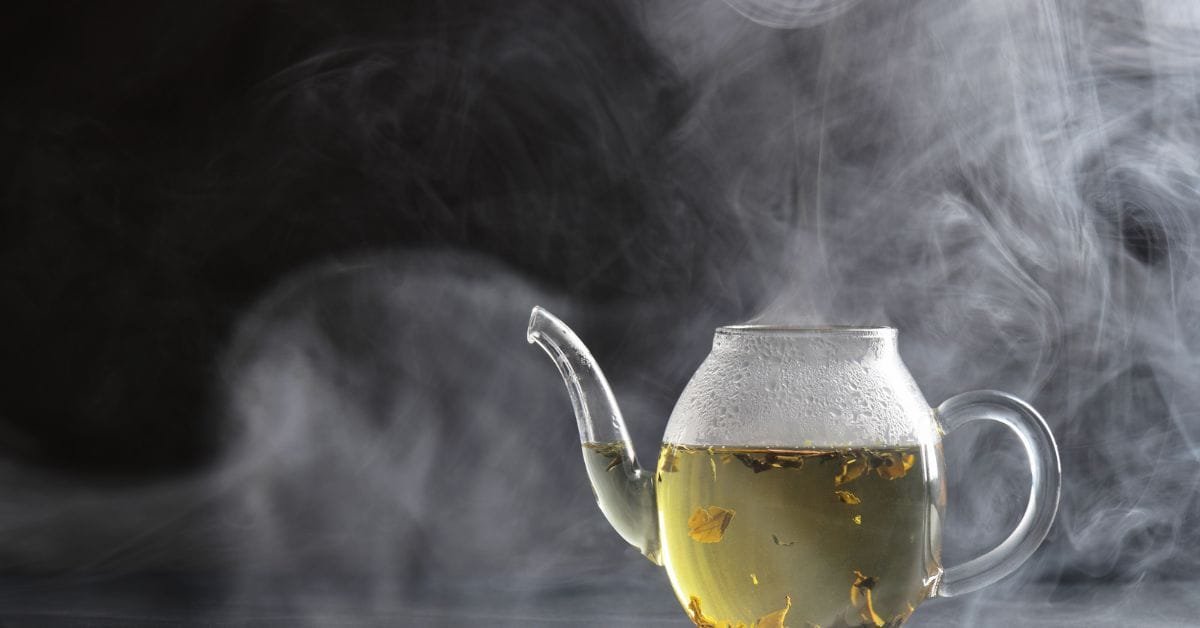
Peppermint Steam
A Cooling Trick for Blocked Nasal Passages
Mums Old Ways · Natural Living · Coughs & Colds
A blocked nose can make even the simplest things uncomfortable. Sleeping becomes harder, breathing through your nose feels like a struggle, and you may find yourself reaching for a tissue every few minutes. Sometimes, all you want is a little relief and the comfort of a simple home routine.
Peppermint steam is a traditional home-remedy idea that appeals to people who enjoy the fresh, cooling aroma of peppermint. Its familiar scent can create a feeling of freshness when your nose feels stuffy, making it an appealing addition to a comforting cold-weather routine.
But there is an important distinction between enjoying peppermint’s aroma and actually clearing nasal congestion. Steam inhalation also carries a risk of burns, particularly when bowls of boiling water are involved.
Here at Mums Old Ways, we believe traditional wisdom is worth exploring alongside modern safety advice. Let’s look at what peppermint steam can offer, how to enjoy peppermint more safely, and which simple alternatives may help when your nose feels blocked.

What Is Peppermint Steam?
Peppermint steam refers to breathing in air scented with peppermint, often using peppermint leaves or peppermint essential oil in a warm-water preparation.
Peppermint contains menthol, a naturally occurring compound responsible for its characteristic cooling sensation. When you smell menthol, it stimulates cold-sensitive receptors in the nose, creating a feeling of increased airflow.
That sensation can be pleasant when you’re congested. However, feeling as though your nose is clearer does not necessarily mean the nasal passages are physically less blocked.
Traditional home preparations have often involved adding herbs to hot water and breathing the aromatic air. Although the practice remains popular, there is limited evidence that inhaling peppermint steam reliably relieves nasal congestion. Hot-water steam inhalation can also cause serious scalds.
For these reasons, a safer approach is to enjoy peppermint’s aroma without leaning over a bowl of hot or boiling water.
Why People Like This Natural Approach

There is something comforting about simple ingredients and familiar scents, especially when you’re feeling under the weather.
Peppermint has a bright, fresh aroma that many people associate with cleanliness and coolness. Its scent can make a stuffy-feeling nose seem more comfortable, even when the underlying congestion hasn’t changed.
There are a few reasons this traditional idea continues to appeal.
-
A fresh, cooling aroma: Menthol produces a cooling sensation that may make breathing feel more comfortable.
-
Simple ingredients: Fresh peppermint leaves are readily available from many Australian supermarkets and garden centres.
-
A comforting routine: Taking a quiet moment with a warm drink, resting and staying hydrated can be pleasant when you have a cold.
-
A familiar traditional ingredient: Peppermint has a long history of culinary use, particularly in teas, drinks and everyday cooking.
The key is to keep expectations realistic. Peppermint can provide a pleasant sensory experience, but it shouldn’t be treated as a cure for a cold, sinus infection or other respiratory condition.
A Safer Peppermint Aromatherapy Routine
If you enjoy peppermint, you can make it part of a relaxing home routine without inhaling steam from a bowl of hot water.

What You’ll Need
-
A small bunch of fresh peppermint leaves, or a cup of peppermint tea
-
A mug
-
Fresh drinking water
-
A comfortable, well-ventilated place to sit
How To Enjoy It
-
Prepare a peppermint tea. Add fresh drinking water to your kettle and prepare peppermint tea according to the instructions on the packet. If using fresh leaves, rinse them first and steep them in hot water.
-
Let it cool to a comfortable drinking temperature. Keep the mug away from children and pets while the drink is hot.
-
Enjoy the aroma naturally. Sit comfortably and notice the fresh scent of the peppermint as you enjoy your tea. There is no need to lean over the mug or deliberately inhale hot vapour.
-
Take a few quiet minutes to rest. Sip slowly, drink water throughout the day and give yourself time to recover if you are feeling unwell.
The result is a simple, comforting ritual rather than a medical treatment. Peppermint tea is an enjoyable way to use a familiar herb, but drinking it has not been established as a treatment for a blocked nose.
A note about essential oils: Peppermint essential oil is highly concentrated. Do not swallow it, put it inside your nostrils or apply it undiluted to your skin. Avoid adding it to boiling water for direct inhalation. If you want to use an aromatic product, follow its label and check with a pharmacist if you have asthma, other respiratory sensitivities or concerns about suitability.
What Actually Helps a Blocked Nose?
When nasal congestion is making you uncomfortable, there are other options worth considering.
Health authorities discuss saline sprays and rinses among the options used to manage sinusitis. Depending on the cause of your symptoms, a pharmacist or doctor can help you choose an appropriate treatment.
1. Try a Saline Nasal Spray
A saline nasal spray contains a salt-water solution. It can help moisturise the nasal passages and loosen mucus, making it easier to clear your nose.
Ready-made saline sprays are available from Australian pharmacies. Follow the product instructions, especially when using sprays for children.
If you use a nasal rinse rather than a ready-made spray, use sterile or distilled water, or water that has been boiled and cooled as directed by an appropriate health authority. Clean the rinsing device according to its instructions.
2. Drink Enough Fluids
Water, warm herbal tea and clear soups are simple choices when you have a cold. Staying hydrated supports normal bodily functions and helps replace fluids lost through fever or a runny nose.
A warm drink may also feel soothing if your throat is irritated. You don’t need an elaborate recipe; sometimes a plain cup of tea is enough.
3. Rest and Elevate Your Head
Rest gives you time to recover. If congestion is making sleep difficult, try raising your head slightly with an extra pillow, provided this is comfortable for you.
Keep your bedroom free from cigarette smoke and other irritants that may aggravate your symptoms.
4. Consider a Warm Shower
Some people find the humid air in a comfortably warm bathroom pleasant when they have a blocked nose. However, evidence that steam meaningfully relieves congestion is limited.
Avoid leaning over boiling water or placing a towel over your head above a hot bowl. These methods can cause serious burns. A public safety warning from NHS and burn specialists highlights the preventable injuries associated with traditional steam inhalation.
Simple Variations to Enjoy at Home
Peppermint doesn’t have to be part of a steam treatment to earn a place in your natural wellness routine. Try one of these simple alternatives.

Peppermint and Lemon Tea
Add a slice of lemon to freshly prepared peppermint tea for a bright, citrusy flavour. Lemon contributes aroma and flavour, while peppermint provides its characteristic freshness.

Chilled Peppermint Water
Add washed peppermint leaves to a jug of cold water and refrigerate. This is a refreshing, caffeine-free drink for anyone who prefers a cooler option.
An Evening Peppermint Tea
Enjoy a cup as part of a quiet evening routine. Peppermint tea is naturally caffeine-free when made from pure peppermint, although blended products may contain other ingredients.
These variations are about flavour, hydration and comfort. None should be presented as a guaranteed remedy for congestion.
A Quick Safety Note
Natural ingredients still deserve sensible handling.
-
Children: Never use bowls of hot water for steam inhalation around children. Keep hot drinks and essential oils out of reach.
-
Essential oils: Do not swallow peppermint oil or apply it directly inside the nose. Concentrated oils can irritate the skin and airways.
-
Asthma and sensitivities: Strong scents may trigger symptoms in some people. Stop using an aromatic product if it causes coughing, wheezing or irritation.
-
Pregnancy and breastfeeding: Ask a pharmacist or healthcare professional before using concentrated peppermint essential oils, particularly if you are considering medicinal use.
-
Reflux and indigestion: Peppermint may aggravate heartburn or reflux in some people, so peppermint tea may not suit everyone.
Seek urgent medical care if you have significant difficulty breathing, chest pain or other severe symptoms. Contact a healthcare professional if your congestion is persistent, worsening, accompanied by a high fever or severe facial pain, or otherwise concerning.
For personalised advice in Australia, you can also consult your pharmacist or visit Healthdirect’s sinusitis information.
Frequently Asked Questions
1. Does peppermint steam help clear a blocked nose?
Peppermint’s menthol creates a cooling sensation that may make your nose feel clearer. However, this sensation doesn’t necessarily mean congestion has improved. Evidence supporting steam inhalation for blocked noses is limited, and bowls of hot water present a burn risk.
2. Can I put peppermint essential oil in hot water?
It’s best to avoid using peppermint essential oil in a bowl of hot water for direct inhalation. Concentrated oils can irritate the airways, and hot water can cause serious scalds. Enjoying peppermint tea is a simpler alternative.
3. Is peppermint tea good when I have a cold?
Peppermint tea can be a pleasant, caffeine-free drink when made with pure peppermint leaves. It contributes fluid and offers a refreshing flavour, but there is insufficient evidence to say it treats the common cold or clears nasal congestion.
4. How often can I enjoy peppermint tea?
There is no established dosage of peppermint tea for treating congestion. If you enjoy it as an ordinary beverage, follow the product instructions and consider your individual tolerance. Reduce or avoid it if it aggravates reflux or causes unwanted symptoms.
5. What is the safest natural alternative for a blocked nose?
A ready-made saline nasal spray is a practical option for many people. Drinking fluids, resting and taking a comfortably warm shower may also help you feel more comfortable. Ask a pharmacist about other suitable options if symptoms persist.
6. Can children use peppermint steam for nasal congestion?
Children should not inhale steam from bowls of hot water because of the risk of serious burns. Avoid using concentrated peppermint essential oils around young children unless a qualified healthcare professional confirms the product is suitable for their age. Ask a pharmacist about age-appropriate saline products.
7. When should I see a doctor about a blocked nose?
Seek medical advice if symptoms persist, worsen, repeatedly return or are accompanied by significant facial pain or fever. Difficulty breathing, chest pain or other severe symptoms warrant urgent assessment.
Final Thoughts: Keeping the Old Ways, Safely
Peppermint has a familiar place in the home, from a refreshing cup of tea to its distinctive aroma in the kitchen. It’s easy to understand why people have traditionally turned to aromatic herbs when they feel stuffy or uncomfortable.
But traditional wisdom is most valuable when we combine it with what we know today. Peppermint’s cooling sensation can be pleasant, yet it isn’t proof that a blocked nose has cleared. And inhaling steam over hot water simply isn’t worth the risk of a serious burn.
For a gentler approach, enjoy peppermint tea, keep up your fluid intake, rest when you need to and consider saline nasal products for congestion.
At Mums Old Ways, we believe natural living should be simple, practical and responsible. You don’t need complicated ingredients or extraordinary health claims to build comforting daily habits.
Explore more traditional-inspired ideas at Mums Old Ways, and discover simple ways to bring familiar ingredients and everyday wellness into your home.