Ginger Chews
The Handy Remedy for Travel Queasiness
Long car trips, winding roads, boat rides and flights can leave your stomach feeling rather unsettled. If you’re someone who struggles with travel queasiness, you may have heard of ginger as a traditional way to settle an uncomfortable stomach.
Ginger chews are a convenient, portable option that many people enjoy when travelling. They’re small, easy to carry, require no preparation and offer the familiar warming taste of ginger in a sweet, chewy form.
At Mums Old Ways, we appreciate simple ingredients and traditional ideas that still have a place in everyday life. Ginger has a long history of culinary use, and it has also been studied for its potential role in easing certain types of nausea.
Let’s look at why ginger chews have become a popular travel companion, what to look for when buying them, how to enjoy them and what you should know before relying on them for your next journey.

What Are Ginger Chews?
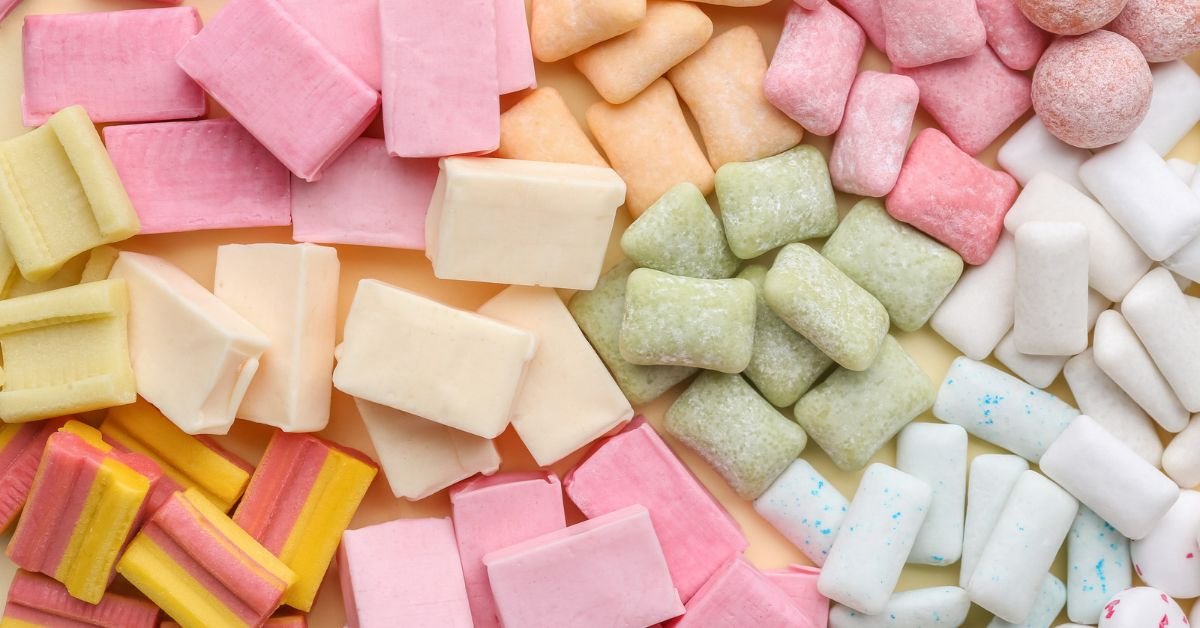
Ginger chews are small, soft sweets made with ginger, usually combined with sugar or another sweetener. Some varieties contain additional ingredients such as honey, lemon, coconut or fruit flavourings.
Unlike ginger tea, which needs hot water and a little preparation, ginger chews are ready to eat.
They are particularly handy when travelling because they:
-
Fit easily into a handbag, backpack or glovebox.
-
Require no refrigeration.
-
Are convenient during car, bus, boat and plane journeys.
-
Offer a concentrated ginger flavour.
-
Can be enjoyed without preparing a drink.
The amount of actual ginger varies considerably between brands, so it is worth checking the ingredient list rather than assuming every product contains the same amount.
Why Ginger Is Traditionally Used for an Unsettled Stomach
You will find it in warming teas, homemade drinks, soups, Asian cooking and traditional kitchen preparations. Its distinctive flavour comes from naturally occurring compounds, including gingerols and shogaols.
These compounds have attracted scientific interest because of their possible effects on digestive processes and nausea.
Research suggests ginger may help with certain types of nausea, particularly pregnancy-related nausea. However, evidence for preventing or relieving motion sickness is less convincing.
This distinction is important.
Travel queasiness is often associated with motion sickness, which occurs when the brain receives conflicting information from the eyes, inner ears and other sensory systems. Ginger chews should not be considered a guaranteed solution.
Still, some travellers enjoy ginger because it provides a familiar, pleasant flavour without requiring a complicated preparation.
How Ginger Chews May Fit Into Your Travel Routine
When you’re travelling, you don’t always have access to a kitchen, kettle or comfortable place to prepare something to eat. Having a small packet of ginger sweets in your bag can be an easy way to enjoy ginger wherever you are.
Here are a few ways people incorporate them into their journeys.
Before setting off: Some travellers prefer to have a ginger chew before beginning a journey. There is no established timing or amount proven to prevent motion sickness, however.
During a long drive: Keep a small packet somewhere accessible, rather than buried underneath luggage. If you’re driving, avoid handling sweets or packaging while the vehicle is moving.
On boat trips: Ginger chews are compact and easy to carry, making them a convenient snack to have available.
During flights: They can be packed into your carry-on luggage and enjoyed during the journey, subject to any relevant airline restrictions.
Remember, ginger chews are sweets, not a medically proven motion sickness treatment. If you regularly experience significant travel sickness, speak with a pharmacist about more established options.
What to Look for When Buying Ginger Chews
Not all ginger chews are made alike.
Some products contain a generous amount of ginger, while others are primarily sugar-based sweets with a little ginger flavouring.
If you’re buying them specifically because you enjoy ginger, take a moment to read the packaging.
Here are five things worth checking.
1. Ginger Content
Look for ginger listed prominently in the ingredients.
Some products use real ginger pieces or ginger extract, while others rely more heavily on flavouring.
2. Added Sugar
Many traditional-style ginger sweets contain considerable amounts of sugar.
If you’re watching your sugar intake, compare nutrition panels and serving sizes before purchasing.
3. Additional Ingredients
You might come across combinations such as:
-
Ginger and honey.
-
Ginger and lemon.
-
Ginger and turmeric.
-
Ginger and coconut.
-
Extra-strong ginger chews.
These combinations can provide different flavours, although additional ingredients do not automatically make a product more effective for travel sickness.
4. Individual Wrapping
Individually wrapped chews are particularly useful for travelling.
They stay separate from other items in your handbag and are easy to share.
5. Texture and Strength
Some ginger sweets are soft and chewy, while others are quite firm.
If you prefer a milder flavour, choose a traditional sweetened variety. If you enjoy the distinctive warmth of ginger, stronger versions might appeal more.
Ginger Chews Versus Ginger Tea
However, they serve slightly different purposes.
| Feature | Ginger Chews | Ginger Tea |
|---|---|---|
| Preparation | Ready to eat | Requires hot water |
| Portability | Excellent | Less convenient |
| Sugar content | Often contains added sugar | Can be unsweetened |
| Flavour | Sweet and warming | Fresh and aromatic |
| Best suited to | Travelling and convenience | Relaxing at home |
If you’re heading out for the day, ginger chews are probably the more practical choice.
At home, a freshly prepared ginger tea is a lovely alternative, especially during cooler weather.
Neither option has been established as a reliable way to prevent motion sickness.
Other Simple Ways to Manage Travel Queasiness
Ginger chews are only one possible addition to a travel routine.
There are several practical steps that may be more useful when you’re prone to motion sickness.
Choose Your Seat Carefully
Where you sit can make a difference.
-
In a car, try sitting in the front passenger seat.
-
On a boat, choose a position near the middle where movement may be less noticeable.
-
On an aircraft, seats over the wings may experience less movement.
Look Towards the Horizon
Try looking straight ahead at a fixed point in the distance.
Avoid watching passing scenery or repeatedly looking down at nearby objects.
Put Your Phone Away
Reading, scrolling and watching videos can make motion sickness worse for some people.
Give your eyes a break and look outside instead.
Get Some Fresh Air
Fresh air can help you feel more comfortable.
Open a window when safe to do so, or direct an air vent towards your face.
Avoid Heavy Meals Before Travelling
A large, greasy meal immediately before travelling may make an unsettled stomach feel worse.
Choose something light and familiar, and remember to drink water.
These practical approaches are consistent with NHS guidance on managing motion sickness.
Can You Make Your Own Ginger Chews?
Although it isn’t quite the same as a soft commercial ginger chew, it offers a lovely homemade alternative.
Ingredients
-
200 g fresh ginger.
-
250 g white sugar.
-
500 ml water.
-
Extra sugar for coating (optional).
Method
-
Peel the ginger and slice it into thin pieces.
-
Place the ginger in a saucepan and cover with water.
-
Simmer gently for approximately 30–40 minutes, until softened.
-
Drain the ginger, reserving a little cooking liquid.
-
Return the ginger to the saucepan with the sugar and 250 ml of water.
-
Simmer gently, stirring occasionally, until the syrup thickens and the ginger becomes translucent.
-
Remove the pieces and allow excess syrup to drain.
-
Place them on baking paper and allow them to dry until pleasantly chewy.
-
If desired, lightly coat with sugar.
The result is a sweet, warming ginger treat that can be packed into a small container for travelling.
A little tip: Ginger can become quite strong when prepared this way. Adjust the thickness of your slices to suit your taste.
How to Store Homemade Ginger Chews
Allow the ginger pieces to cool completely before storing.
Keep them in a clean, airtight container in a cool, dry place. Refrigerate if they remain moist or if you are unsure about their storage stability. Discard any pieces showing mould or unusual changes in smell or appearance.
Because this homemade version is not commercially processed, don’t assume it has the same shelf life as packaged confectionery.
A Quick Safety Note
Ginger is a familiar food ingredient, but concentrated ginger products and supplements are not necessarily suitable for everyone.
Some people experience heartburn, abdominal discomfort, diarrhoea or irritation after consuming ginger.
-
Medication: If you take regular medication, particularly blood-thinning medication, ask your healthcare professional about concentrated ginger products.
-
Pregnancy: Ordinary food amounts of ginger are different from concentrated supplements. Check with your midwife, GP or pharmacist if you are considering regular ginger products during pregnancy.
-
Children: Choose age-appropriate products and supervise young children when eating chewy sweets.
-
Sugar intake: Many ginger chews contain added sugar, so check the nutrition information if this is a concern.
-
Allergies: Check the full ingredient list for potential allergens and added flavourings.
If travel sickness is severe, persistent or interfering with your ability to travel, seek advice from a healthcare professional. A pharmacist can discuss suitable motion sickness treatments.
Why Ginger Deserves a Place in the Natural Kitchen
Ginger is one of those ingredients that has earned its place in kitchens around the world.
It is affordable, versatile and easy to incorporate into everyday food and drinks. From a simple cup of ginger tea to homemade crystallised ginger, there are plenty of ways to enjoy its distinctive flavour.
And that is really what Mums Old Ways is about.
We don’t need complicated ingredients or expensive wellness products to appreciate the simple things that have been part of traditional kitchens for generations.
Sometimes a little fresh ginger, a squeeze of lemon and a spoonful of honey are enough to make something comforting and enjoyable.
Ginger chews might not be a guaranteed answer to travel sickness, but they are certainly a convenient way to take a little traditional kitchen flavour along for the ride.
Frequently Asked Questions
1. Do ginger chews help with travel sickness?
Some travellers find ginger chews pleasant when travelling, but scientific evidence does not establish that ginger reliably prevents motion sickness. Most studies have not demonstrated a clear benefit.
2. When should you eat ginger chews before travelling?
There is no scientifically established timing for ginger chews to prevent motion sickness. Some people enjoy one before setting off, while others simply carry them for the journey.
3. How many ginger chews can you eat in a day?
There is no universal recommended amount for ginger chews. Products differ in ginger content, sugar and serving size. Follow the manufacturer’s directions and avoid excessive consumption.
4. Are ginger chews better than ginger tea?
Neither has been proven superior for preventing motion sickness. Ginger chews are more convenient when travelling, while ginger tea is a pleasant option at home.
5. Can children eat ginger chews?
Some age-appropriate ginger sweets may be suitable for older children, depending on their ingredients and texture. Avoid hard or sticky sweets that could present a choking risk, particularly for young children.
6. Are ginger chews suitable during pregnancy?
Ginger is commonly consumed as a food and has been studied for pregnancy-related nausea. However, ginger chews vary in strength and ingredients. Pregnant women should discuss concentrated products with their healthcare professional.
7. Can you make ginger chews at home?
Yes. You can make a simple homemade version using fresh ginger, sugar and water. Crystallised ginger provides a similar sweet, warming flavour and can be stored in an airtight container.
Final Thoughts
Travel should be about enjoying the journey, not worrying about an unsettled stomach.
Ginger chews are a simple, portable and enjoyable way to include a traditional kitchen ingredient in your travel preparations. While they aren’t a proven solution for motion sickness, some people enjoy having them handy.
Combine sensible travel habits with a little preparation, and you may find your next journey more comfortable.
For more traditional kitchen ideas, natural ingredients and simple homemade wellness recipes, explore the growing collection here at Mums Old Ways.