Horseradish and Honey
A Traditional Homemade Sinus Recipe
A blocked nose, heavy head and that uncomfortable feeling of sinus pressure can make an ordinary day feel like hard work. When you’re searching for simple ways to feel more comfortable, traditional kitchen ingredients can be an appealing place to start.
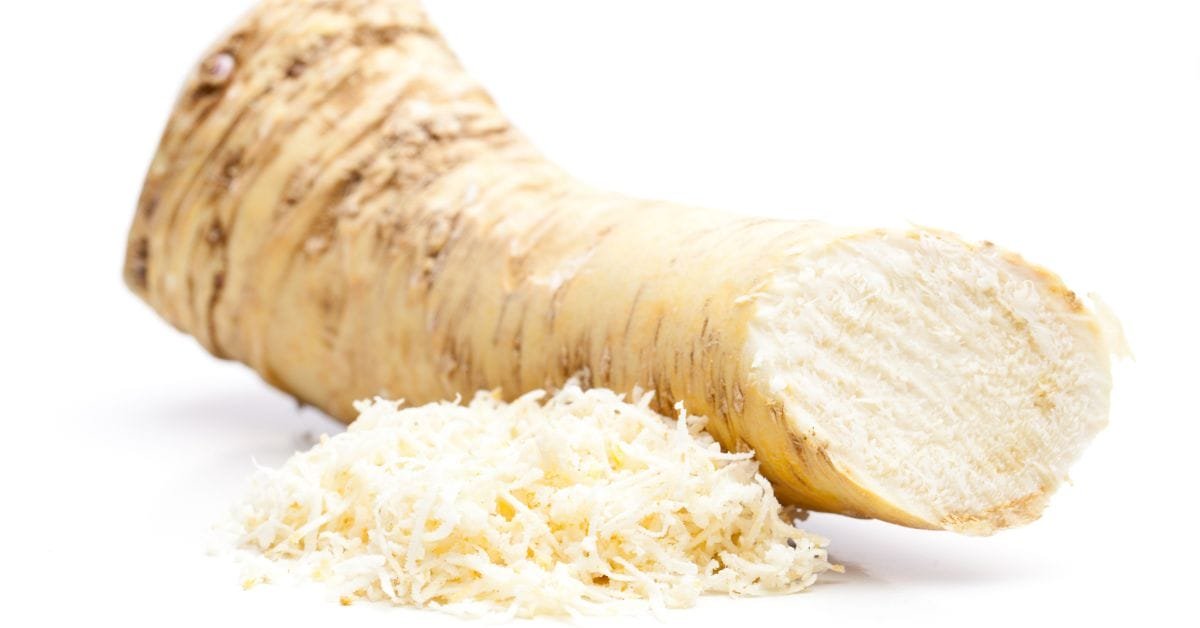
Horseradish and honey combine the sharp, distinctive heat of a familiar root vegetable with the mellow sweetness of honey. Horseradish has long been appreciated for its pungent flavour, particularly in traditional cooking, while honey is a popular ingredient in soothing homemade preparations.
But can this combination really clear your sinuses? And how do you prepare it safely at home?
Here at Mums Old Ways, we’re looking at the traditional appeal of horseradish and honey, how to make a simple preparation, what the evidence actually tells us, and the precautions worth knowing before trying it. As always, the aim is to enjoy traditional wisdom while keeping modern health advice firmly in mind.
What Is Horseradish and Honey?
Horseradish and honey is a simple homemade combination made by mixing freshly grated horseradish with honey. Some people explore pungent foods such as horseradish when they have a stuffy nose because the sharp aroma and warming sensation can make the nasal passages feel temporarily more open.
Honey adds sweetness and helps balance horseradish’s intense flavour. The result is a small-batch kitchen preparation that requires only a couple of familiar ingredients.
Does it clear the sinuses? Horseradish may produce a strong sensation in the nose and can trigger temporary nasal drainage, but that does not mean it treats the underlying cause of congestion, sinusitis or a respiratory infection. There is not enough reliable clinical evidence to establish horseradish and honey as an effective sinus-clearing treatment.
It’s best understood as a traditional food preparation rather than a proven remedy.
Why People Like This Natural Approach
There is something appealing about recipes that use only a few recognisable ingredients. Horseradish and honey are readily understood foods, and the combination is easy to prepare without complicated equipment or a long list of additions.
Here are three reasons people may be interested in it.
1. Horseradish Has a Distinctive, Pungent Heat

Horseradish is a root vegetable related to mustard, cabbage and wasabi. When its root is grated or crushed, it releases pungent compounds responsible for its characteristic sharp aroma and hot sensation.
That intensity is part of its culinary appeal. A small amount can transform a sauce, sandwich or savoury meal.
When you have a stuffy nose, the strong aroma may make you notice your nasal passages more clearly or trigger temporary drainage. However, the sensation of a clearer nose is not proof that the underlying inflammation has improved.
2. Honey Brings Natural Sweetness

Honey softens horseradish’s sharp flavour, making the mixture more pleasant for people who enjoy a little sweetness.
It is also a traditional ingredient in homemade drinks and soothing kitchen preparations. Some clinical evidence suggests honey can help relieve coughing associated with upper respiratory infections, although this does not establish that honey clears sinus congestion.
3. It Is Simple to Make at Home
You don’t need a blender, specialist equipment or expensive ingredients. Fresh horseradish root, a little honey, a clean spoon and a small container are enough.
The important distinction is that a simple homemade recipe is not necessarily a proven health treatment. You can enjoy this combination as a food preparation without relying on it to resolve persistent sinus symptoms.
Horseradish and Honey Recipe

This small-batch recipe balances the sharp flavour of freshly grated horseradish with the sweetness of honey. It is intended as a culinary preparation for adults who tolerate both ingredients, not as a medical treatment.
Ingredients
-
1 teaspoon freshly grated horseradish root
-
1 tablespoon honey
-
½ teaspoon water, optional, to loosen the mixture
Choose a fresh, firm horseradish root if possible. If fresh horseradish is unavailable, commercially prepared horseradish may work for culinary purposes, but check the label because some products contain vinegar, salt or other ingredients.
How to Make It

Step 1: Prepare the root
Wash the horseradish thoroughly and peel away the outer skin. Cut off a small piece for grating.

Step 2: Grate a small amount
Finely grate approximately one teaspoon. Work in a well-ventilated kitchen if the sharp fumes irritate your eyes or nose.

Step 3: Add the honey
Place the grated horseradish in a clean bowl and stir in the honey until evenly combined. Add a little water if you prefer a looser consistency.

Step 4: Serve carefully
Treat the mixture as a strong condiment. If you choose to eat it, use a small amount with food rather than attempting to consume a large spoonful.
Important: Do not put this mixture into your nostrils, inhale concentrated horseradish fumes deliberately or use it as a nasal rinse. Its pungent compounds can irritate sensitive tissues.
How to Enjoy the Mixture
The most practical way to use horseradish and honey is as a food combination rather than a prescribed remedy.
If you enjoy the flavour, try a small amount alongside a savoury meal. Horseradish works well with roasted vegetables, beetroot, sandwiches and homemade sauces. Honey balances its heat, while the root provides a distinctive flavour without requiring a large quantity.
There is no established medical dosage for horseradish and honey as a sinus remedy, and no reliable evidence that taking it at a particular time of day produces a sinus-clearing effect.
If the strong flavour causes burning, stomach discomfort, coughing or irritation, stop using it. There is no need to push through an unpleasant reaction in the hope of obtaining a health benefit.
What Can Actually Help With Sinus Congestion?
Traditional kitchen recipes can be comforting, but it is worth knowing which approaches have more support for relieving nasal symptoms.
Sinusitis involves inflammation of the cavities around the nose, eyes and forehead. Symptoms can include a blocked or runny nose, facial pressure, changes in smell and discomfort around the cheeks or teeth. Viral infections are a common cause, although allergies and other problems can also contribute.
-
Saline nasal spray: A ready-made saline spray can help moisturise the nasal passages and loosen mucus.
-
Saline nasal irrigation: A suitable nasal rinse may help flush mucus and allergens from the nose. Use a commercially prepared solution or follow reliable medical instructions, using sterile, distilled or previously boiled and cooled water rather than untreated tap water.
-
Drink enough fluids: Water and other suitable drinks help maintain hydration.
-
Rest and avoid irritants: Smoke and other airborne irritants may aggravate nasal symptoms.
-
Ask a pharmacist or doctor about medicines: Depending on the cause, a suitable nasal spray or other medicine may help. Decongestant sprays should not be used longer than recommended, as overuse can worsen congestion.
These options are consistent with Australian health advice on sinusitis and nasal symptoms.
Simple Variations to Try
If you like experimenting with traditional ingredients, there are several ways to adapt this recipe for your kitchen.

1. A Milder Honey Version
Use less horseradish and a little more honey to soften the sharpness. This changes the flavour, not the evidence for any sinus benefit.

2. Honey and Lemon
Mix honey with a little lemon juice and warm water for a simple drink. It offers a gentler alternative if you find horseradish too pungent.

3. Ginger and Honey Drink
Add a few slices of fresh ginger to hot water, allow it to steep, then let the drink cool slightly before adding honey. Ginger contributes a warming flavour.

4. Horseradish as a Savoury Condiment
Stir a small amount into a yoghurt-based sauce or serve it with roasted vegetables. This is a straightforward way to enjoy the ingredient as part of everyday cooking.
You can explore more ideas through future Mums Old Ways articles on [homemade ginger tea], [honey and lemon drinks] and [simple winter wellness recipes]. These would be useful additions to the site’s growing collection of traditional-inspired recipes.
Storage and Freshness
Freshly grated horseradish has a particularly pungent aroma, so preparing only a small amount is a sensible approach.
For the horseradish and honey mixture:
-
Transfer any leftovers promptly to a clean, covered food-safe container.
-
Refrigerate rather than leaving the mixture sitting at room temperature.
-
Label it with the preparation date.
-
For this homemade mixture, make only what you need and use it promptly; there is no validated shelf life for this particular preparation.
-
Discard it if you notice mould, an unusual smell, unexpected changes in appearance or other signs of spoilage.
Do not assume that honey preserves freshly grated horseradish indefinitely. Once fresh ingredients are mixed together, the storage characteristics differ from those of pure honey.
A Quick Safety Note
Although horseradish and honey are familiar food ingredients, this combination will not suit everyone.
Horseradish: Its pungency can irritate the mouth, nose, throat and digestive tract. Avoid it if you know you are allergic to it, and be cautious if you have a sensitive stomach, reflux or a history of irritation from spicy foods.
Honey: Honey contains sugars and may not be suitable in unrestricted amounts for people who need to manage their sugar intake. Anyone with a honey or bee-product allergy should avoid it if advised to do so by their healthcare professional.
Children: Never give honey to babies under 12 months because of the risk of infant botulism. Do not use this strongly flavoured mixture as a home treatment for a child’s congestion.
Most importantly, do not use this recipe instead of appropriate treatment for persistent or severe sinus symptoms.
Frequently Asked Questions
1. Does horseradish and honey clear your sinuses?
Horseradish has a strong aroma that may trigger temporary nasal drainage or make the nose feel more open. However, there is insufficient reliable clinical evidence that mixing it with honey treats sinusitis or clears sinus congestion. Saline sprays and rinses are better-established self-care options.
2. How do you make horseradish and honey at home?
Mix one teaspoon of freshly grated horseradish with one tablespoon of honey. Stir until combined, adding a little water if desired. Treat it as a food preparation rather than a proven remedy, and do not put it inside your nose.
3. Can I take horseradish and honey every day?
There is no established daily dose for sinus relief, and regular consumption has not been proven to treat congestion. If you enjoy the combination as food, keep the quantity modest and stop if it causes irritation or digestive discomfort.
4. Is fresh horseradish better than prepared horseradish?
Freshly grated horseradish offers a distinctive, pungent flavour. Prepared horseradish can be more convenient, but its ingredients and intensity vary between brands. Neither form has been established as an effective treatment for sinusitis.
5. Can children have horseradish and honey?
Do not give honey to children under 12 months. For older children, this strongly flavoured mixture is not an established treatment for congestion, and a child’s age and symptoms should guide appropriate care. Ask a pharmacist or doctor for advice if you are unsure.
6. What is a gentler alternative to horseradish and honey?
A warm honey and lemon drink may be more pleasant if you dislike pungent flavours. For actual nasal congestion, a suitable saline nasal spray or rinse may be more useful. Honey may soothe a cough in some people, but it does not directly treat the cause of sinus inflammation.
Seek medical advice if symptoms are severe, worsen, recur frequently or fail to start improving after around 7–10 days. Swelling around the eyes, vision changes, a severe headache or other serious symptoms warrant urgent assessment.
Final Thoughts
Horseradish and honey make an interesting combination of two familiar kitchen ingredients. One brings sharp, warming pungency; the other adds a mellow sweetness. Together, they offer a simple recipe for people who enjoy exploring traditional food preparations.
The important thing is to keep expectations realistic. The strong sensation of horseradish may make your nose feel temporarily clearer, but that does not prove the mixture treats sinus inflammation or infection.
At Mums Old Ways, we believe traditional kitchen wisdom is worth exploring when it is paired with sensible, evidence-aware advice. Enjoy the ingredients for what they are, take care with their limitations, and turn to proven self-care measures or professional advice when congestion needs more attention.
If you enjoy simple recipes made with recognisable ingredients, explore more traditional-inspired drinks, homemade kitchen preparations and everyday wellness ideas here at Mums Old Ways.