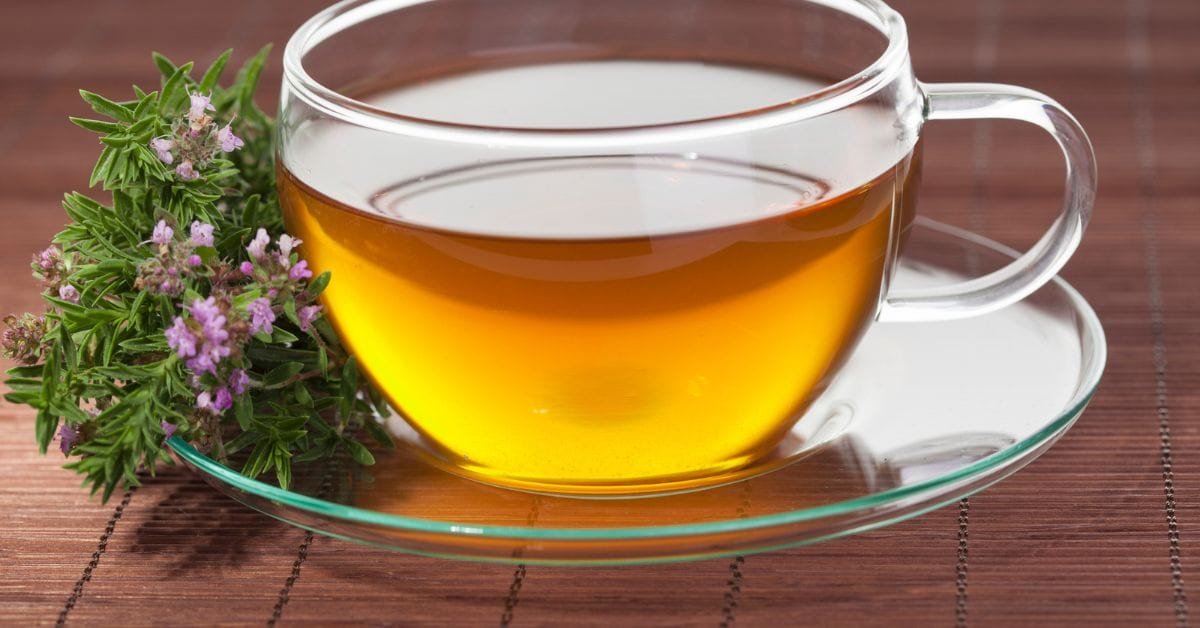
Thyme Tea
The Herbal Tea Traditionally Used for Coughs
For generations, thyme has been a familiar herb in kitchens and traditional home preparations. Best known for adding flavour to soups, stews and roasted vegetables, this fragrant herb has also been used to make a simple herbal tea that many people enjoy when they have a tickly throat or a seasonal cough.
At Mums Old Ways, we appreciate these traditional approaches to everyday comfort, especially when they involve ingredients that are easy to recognise and prepare at home.
Thyme tea is simple to make with dried or fresh thyme and hot water. A little honey and lemon can add extra flavour, turning an ordinary cup of herbal tea into a soothing, warming drink.
But what is it about thyme that has made it a traditional favourite? How do you prepare it properly, and what should you know before drinking it? Let’s explore this humble herb and the simple recipe behind it.
What Is Thyme Tea?


Thyme tea is a herbal infusion made by steeping fresh or dried thyme leaves in hot water. It has an earthy, slightly minty flavour with gentle floral notes, making it a pleasant alternative to conventional tea.
Unlike black tea, thyme tea is naturally caffeine-free when prepared with thyme alone.
Thyme (Thymus vulgaris) is a small aromatic herb native to the Mediterranean region. It contains naturally occurring compounds, including thymol, which contribute to its distinctive aroma and have been studied for various biological properties.
Thyme has a long history of culinary and traditional herbal use. Preparations containing thyme are also used in some European herbal medicines for productive coughs associated with colds. However, evidence for specific herbal preparations cannot automatically be applied to a homemade cup of thyme tea.
That distinction matters. A warm cup may feel comforting when you are under the weather, but homemade thyme tea should not be regarded as a proven treatment for a persistent or serious cough.
Why Has Thyme Traditionally Been Used for Coughs?
Thyme is more than a fragrant cooking herb. Its aromatic oils and distinctive plant compounds have attracted interest in traditional herbal practice and modern research.
There are several reasons thyme has remained popular in home preparations.
Its aromatic character. Thyme contains volatile compounds that give it a strong, distinctive scent. Hot water releases some of the herb’s aroma, creating a fragrant drink that is pleasant to sip.
Its place in traditional herbal preparations. Thyme has traditionally been used in certain herbal products intended for coughs associated with colds. Some of these products have a different preparation and standardisation from homemade tea, so their evidence should not be treated as proof that thyme tea has the same effects.
The comfort of a warm drink. Sipping a warm beverage can feel soothing when your throat is irritated. That simple comfort is one reason herbal teas remain popular during the colder months.
Honey is another traditional ingredient worth considering. It can coat the throat and may help relieve coughing in some circumstances. Research supports its use for short-term cough relief in children over one year of age, although it is not suitable for infants under 12 months.
The important point is to enjoy thyme tea for what it is: a traditional herbal drink that may offer comfort, rather than a guaranteed cough remedy.
Simple Thyme Tea Recipe for Coughs

This easy thyme tea recipe uses a handful of familiar kitchen ingredients. It is suitable as a warming drink for adults who enjoy traditional herbal preparations, without making exaggerated promises about what it can do.
Preparation time
5 minutes
Steeping time
8–10 minutes
Ingredients
-
250 ml freshly boiled water
-
1–2 teaspoons fresh thyme leaves, or ½–1 teaspoon dried culinary thyme
-
1 teaspoon honey, optional
- A small squeeze of fresh lemon juice, optionalMakes one cup. These are culinary recipe quantities, not a medicinal dose.
How to make thyme tea
-
Prepare the thyme. Rinse fresh thyme under clean running water. If using dried thyme, measure it into a heatproof mug or teapot.
-
Add hot water. Pour 250 ml of freshly boiled water over the herb.
-
Cover and steep. Leave the tea covered for 8–10 minutes. Covering the mug helps retain its delicate aroma.
-
Strain the tea. Remove the leaves and small stems using a fine tea strainer.
-
Add the finishing touches. Allow the tea to cool slightly before stirring in honey and a little lemon juice, if desired.
Mum’s kitchen tipStart with a modest amount of thyme. Its flavour can be surprisingly strong, especially when dried. You can adjust the flavour next time to suit your taste.
-

What Does Thyme Tea Taste Like?
Thyme tea has a gentle herbal flavour with earthy, mint-like and slightly peppery notes. Fresh thyme often produces a lighter-tasting infusion, while dried thyme can create a more concentrated flavour.
Honey adds sweetness and softens thyme’s sharper notes. Lemon contributes a fresh citrus taste that works particularly well with the herb.
If you have never tried thyme tea, begin with a small amount of thyme and allow it to steep for a few minutes before tasting. You can always make your next cup a little stronger.
There is no need to make the drink excessively concentrated. A pleasant cup that you enjoy sipping is the whole point.
Simple Ways to Adapt Your Thyme Tea
One of the nicest things about homemade herbal drinks is how easily you can change their flavour using ingredients already in your kitchen.

1. Thyme and honey tea
Add a teaspoon of honey once the tea has cooled slightly. Honey gives the drink a rounder, sweeter flavour and may help ease coughing in people over 12 months of age. It must never be given to babies younger than one year.

2. Thyme and lemon tea
Add a squeeze of fresh lemon for a bright, citrusy finish. If lemon aggravates reflux or an irritated throat, simply leave it out.

3. Thyme and ginger tea
Add one or two thin slices of fresh ginger before steeping. Ginger provides a warming, spicy flavour that pairs well with thyme.

4. Plain thyme tea
Prefer a simple drink? Use just thyme and water. This keeps the recipe straightforward and lets the herb’s natural aroma shine through.
When Is Thyme Tea Best Enjoyed?
A warm cup can fit comfortably into a quiet morning, an afternoon break or an evening wind-down.
Some people prefer herbal tea when they have a seasonal cold because it encourages them to pause and drink something warm. Others simply enjoy thyme’s distinctive flavour as an alternative to caffeinated drinks.
If you are coughing, staying hydrated and getting enough rest are useful parts of ordinary self-care. Australian health guidance recommends rest and adequate fluids for most coughs and colds.
You do not need to follow a strict schedule for homemade thyme tea. Enjoy it as a beverage if it agrees with you, rather than treating it as a prescribed remedy.
Can you make thyme tea ahead of time?
For the freshest flavour, make thyme tea just before drinking it. If you need to prepare it ahead, cool it promptly, place it in a clean covered container and refrigerate it. As a practical food-safety precaution, drink it within 24 hours and discard it if its appearance or smell changes.
Avoid leaving prepared tea sitting at room temperature for extended periods.
A Quick Safety Note
Thyme used in ordinary cooking is familiar to many people, but concentrated herbal preparations are not necessarily equivalent to a mild homemade infusion.
Keep these points in mind:
- Allergies: Avoid thyme if you know you are allergic to it. People with allergies to related mint-family plants should be cautious. Thyme medicinal preparations can cause allergic reactions and sometimes stomach complaints.
-
Pregnancy and breastfeeding: Safety information for medicinal thyme preparations is limited. Seek advice from your doctor or pharmacist before using thyme specifically for medicinal purposes.
-
Children: Do not assume an adult herbal tea recipe is suitable for a child. Ask a healthcare professional before giving children medicinal herbal preparations.
-
Essential oils: Never add concentrated thyme essential oil to this recipe or swallow it as a substitute for culinary thyme.
-
Persistent symptoms: Seek medical advice if a cough worsens, persists or is accompanied by concerning symptoms. Difficulty breathing, chest pain or coughing up blood warrants urgent medical assessment.
Thyme tea is a food-style herbal infusion, not a substitute for appropriate healthcare. European Medicines Agency guidance on thyme medicines also distinguishes traditional use from conclusive clinical evidence.
Frequently Asked Questions
1. Does thyme tea help with a cough?
Thyme has a traditional history of use in herbal preparations for productive coughs associated with colds. However, clinical evidence remains limited, and there is not enough evidence to say that an ordinary homemade cup will reliably relieve a cough. A warm drink may still be comforting.
2. How do you make thyme tea for a cough?
Steep ½–1 teaspoon of dried culinary thyme or 1–2 teaspoons of fresh thyme leaves in 250 ml of freshly boiled water for 8–10 minutes. Strain before drinking. Honey and lemon are optional additions for adults and children old enough to consume them safely.
3. Can I drink thyme tea every day?
A mild culinary infusion may suit some adults, but the safety of frequent or concentrated medicinal use is less certain. If you intend to drink it regularly for a health concern, take medication or have an ongoing medical condition, ask your healthcare professional for advice.
4. Is fresh or dried thyme better for tea?
Both can be used. Fresh thyme generally has a lighter, greener flavour, while dried thyme tends to be more concentrated. Start with the quantities in the recipe and adjust the taste to your preference.
5. Can I add honey to thyme tea?
Yes, honey is a popular flavouring for warm herbal drinks. It may also help ease coughs in children older than 12 months and adults. Never give honey to an infant under 12 months because of the risk of infant botulism.
6. Is thyme tea safe during pregnancy?
The safety of thyme used as a medicinal herbal preparation during pregnancy has not been established sufficiently. Speak with your doctor or midwife before using it medicinally. Using thyme in ordinary food is different from taking concentrated herbal products.
7. When should I seek medical advice for a cough?
Seek medical advice if your cough is persistent, worsening or accompanied by fever or other concerning symptoms. Difficulty breathing, chest pain or coughing up blood requires urgent assessment. In Australia, you can contact healthdirect on 1800 022 222 for health advice.
Final Thoughts
Thyme tea is a simple way to bring a traditional kitchen herb into your everyday routine. With hot water, a little thyme and optional honey or lemon, you can prepare a fragrant herbal drink in minutes.
Although thyme has a long history of traditional use for coughs, evidence for homemade tea is limited. Enjoy it for its flavour and comforting warmth, and seek medical advice when symptoms require more than home care.
At Mums Old Ways, we believe the best traditional wisdom combines familiar ingredients, practical habits and a healthy respect for what modern evidence can tell us.
Explore more simple homemade wellness recipes at Mums Old Ways, and discover how everyday ingredients can bring a little more comfort to your kitchen.