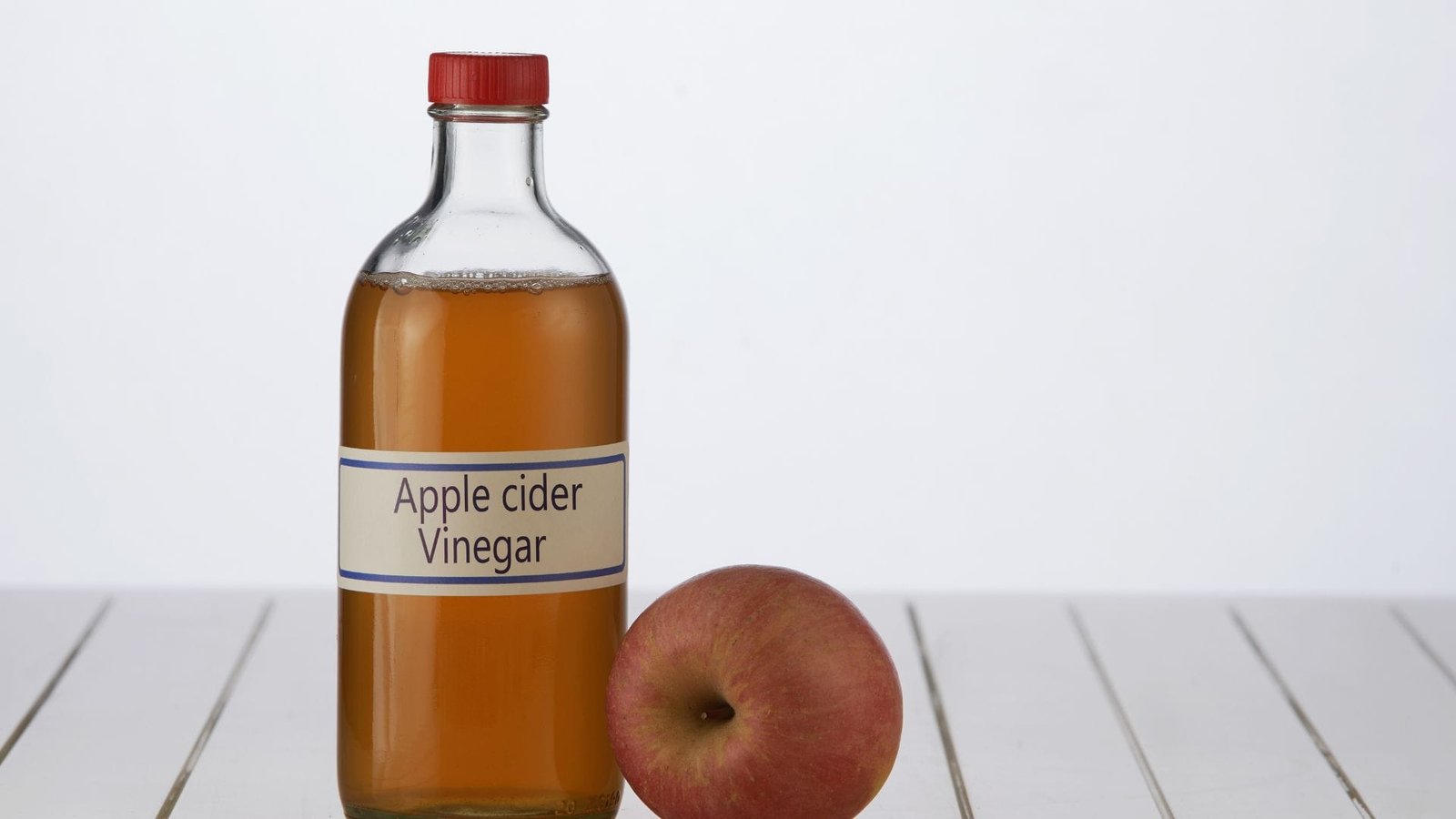
Apple Cider Vinegar & Honey
The Traditional Mucus-Clearing Drink
A scratchy throat, a lingering cough and that uncomfortable feeling of mucus sitting in your throat can leave you searching the kitchen for something soothing. For generations, people have turned to familiar ingredients such as honey, lemon, ginger and apple cider vinegar when making simple homemade drinks.
Apple cider vinegar and honey are often combined in traditional wellness recipes. The mixture is easy to prepare, uses everyday pantry ingredients and can be enjoyed warm or at room temperature. But does it actually clear mucus, and is it worth making when you have a cough?
At Mums Old Ways, we believe traditional ideas deserve a place in everyday life, provided we separate comforting household practices from claims that have not been properly established. Here, you’ll find a simple apple cider vinegar and honey drink recipe, practical preparation tips, possible benefits and important safety advice.

What Is an Apple Cider Vinegar and Honey Drink?
An apple cider vinegar and honey drink is a homemade mixture made by combining apple cider vinegar, honey and water. Some versions include lemon juice or fresh ginger for extra flavour.
The appeal is straightforward. Apple cider vinegar contributes a sharp, tangy taste, while honey softens the acidity with its natural sweetness. Warm water brings everything together into a drink that is easy to prepare at home.
Some people call this mixture a traditional mucus-clearing drink because they associate it with relief from chest congestion, phlegm and throat irritation.
However, it is important to understand the difference between a soothing drink and a proven remedy. There is not good evidence that apple cider vinegar dissolves mucus, clears the lungs or treats a respiratory infection. Honey may help soothe a cough, and drinking enough fluids is part of sensible self-care when you are unwell.
If you enjoy traditional kitchen preparations, this recipe can be a pleasant way to add variety to your routine. Just don’t rely on it to treat the cause of persistent or severe symptoms.
Why Do People Combine Apple Cider Vinegar and Honey?
Both ingredients have a long history of household use, although they serve different purposes in this recipe.
Apple cider vinegar
Apple cider vinegar is made by fermenting apple juice. It contains acetic acid, which gives it its characteristic sour taste.
In cooking, it is commonly used in salad dressings, marinades, sauces and homemade drinks. Its sharp flavour can balance the sweetness of honey, creating a distinctive sweet-and-sour combination.
Apple cider vinegar is sometimes promoted online for a wide range of health benefits. Many of these claims are stronger than the available evidence supports. There is no established reason to believe that drinking it will break down chest mucus or treat the infection responsible for a cough.
Honey
Honey provides natural sweetness and a smoother texture. It also has a traditional place in warm household drinks prepared when someone has an irritated throat.
There is some evidence that honey can help ease cough symptoms, particularly at night. It may be useful as a simple soothing ingredient, although it does not treat every cause of coughing. Health professionals recommends that adults and children over 12 months may use honey as a cough-soothing option.
Honey should never be given to a baby younger than 12 months because of the risk of infant botulism.

Warm water
Warm water makes the drink easier to sip and helps dilute the vinegar. Staying hydrated is also sensible when you have a cold or cough, although the drink itself is not a mucus-clearing treatment.
Together, these three ingredients make a simple homemade preparation that focuses on taste, warmth and comfort rather than promising a medical result.
Apple Cider Vinegar and Honey Drink Recipe
This is a mild version designed for adults who enjoy tangy homemade wellness drinks. It uses a small quantity of vinegar, plenty of water and enough honey to balance the flavour.
Ingredients
- 250 ml warm drinking water
- 1 teaspoon apple cider vinegar
- 1–2 teaspoons honey
- 1 teaspoon fresh lemon juice (optional)
- 1–2 thin slices of fresh ginger (optional)
How to make it
- Warm the water. Use comfortably warm water rather than boiling water.
- Add the apple cider vinegar. Stir it into the water so it is well diluted.
- Mix in the honey. Add one teaspoon initially, then adjust the flavour if desired.
- Add lemon or ginger. These are optional ingredients that provide extra flavour.
- Stir and sip slowly. Allow the drink to cool to a comfortable temperature before drinking.
The result is a lightly sweet, tangy drink with a gentle warmth from the ginger if you choose to include it.
You do not need to use more vinegar to make it stronger. Increasing the amount can make the drink more acidic and increase the risk of irritation.
How to Enjoy This Traditional Drink
There is no medically established dosage or schedule for an apple cider vinegar and honey drink to clear mucus.
If you enjoy the recipe, treat it as an occasional beverage rather than a treatment plan. You might prefer it in the morning, during a cool afternoon or when you want a warm drink in the evening.
The honey is the ingredient most relevant to soothing a cough. The vinegar is primarily there for its distinctive flavour.
For a simpler alternative, you can mix a teaspoon of honey into warm water without adding vinegar. This may be a better choice if you find acidic drinks unpleasant or experience heartburn.
You can also enjoy ordinary water, warm broth or caffeine-free tea as part of your fluid intake.
If you have a productive cough, remember that coughing is one of the ways your body removes mucus from the airways. Suppressing the symptom is not always the same as addressing its cause.
Simple Variations to Try
One of the pleasures of traditional kitchen recipes is that they can be adjusted to suit your preferences. Here are four alternatives.
1. Honey and lemon drink
Combine 250 ml warm water, one teaspoon of honey and a squeeze of lemon juice.
This is a straightforward option if you prefer a milder flavour without vinegar.
2. Ginger, honey and lemon drink
Add one or two thin slices of fresh ginger to warm water. Let it steep for several minutes, then stir in honey and lemon.
Ginger adds a warming, slightly spicy flavour. It is a popular ingredient in homemade winter drinks, although this preparation should not be regarded as a treatment for a respiratory infection.
3. A milder apple cider vinegar drink
Use half a teaspoon of apple cider vinegar in 250 ml water, with one teaspoon of honey.
This variation has a gentler taste. If vinegar causes discomfort, simply leave it out.
4. A caffeine-free evening drink
Combine warm water with honey and a little lemon, leaving out the vinegar if you prefer.
It makes a simple evening beverage without caffeine. Honey may soothe a cough, but the drink is not a guaranteed way to stop nighttime coughing or improve sleep.
Helpful Tips for Preparing the Drink
A few small details can make this recipe more pleasant and easier to enjoy.
Always dilute the vinegar. Do not drink apple cider vinegar straight. Its acidity can irritate the throat and damage tooth enamel.
Start with less honey. One teaspoon may be enough to balance the vinegar. You can leave it out if you prefer an unsweetened drink.
Avoid excessive heat. Warm water is all you need. Let the drink cool before sipping it.
Pay attention to how you feel. If the mixture makes your throat burn, upsets your stomach or worsens reflux, stop drinking it.
Don’t depend on the recipe alone. Rest, appropriate fluid intake and avoiding smoke or other airway irritants are sensible measures when you have a cough. Persistent or worsening symptoms may need medical assessment.
A Quick Safety Note
Apple cider vinegar and honey are ordinary kitchen ingredients, but that does not make every preparation suitable for everyone.
- Acid reflux: Vinegar may worsen heartburn or throat irritation in some people.
- Tooth enamel: Frequent exposure to acidic drinks can contribute to enamel erosion. Avoid sipping the mixture repeatedly throughout the day.
- Diabetes: Honey contains sugars and can affect blood glucose levels. Consider your individual dietary needs.
- Medication and medical conditions: If you have a medical condition or regularly take medicines, ask your doctor or pharmacist whether frequent vinegar consumption is appropriate for you.
- Pregnancy and breastfeeding: Normal culinary amounts may be different from concentrated or frequent medicinal use. Seek individual advice if you are unsure.
- Children: Never give honey to babies under 12 months. For children with coughs or colds, follow age-appropriate Australian health advice rather than using a vinegar remedy.
When should you seek medical advice?
Do not assume that chest mucus is simply something a homemade drink can fix.
Seek prompt medical advice if you have difficulty breathing, chest pain, a high fever, significant amounts of phlegm, blood in your phlegm or symptoms that are worsening. Call Nine One One (911) for a life-threatening emergency, including severe breathing difficulty. You should also see a healthcare professional if a cough persists for several weeks or is not improving as expected. Health professionals’s cough guidance explains when assessment is appropriate.
Frequently Asked Questions
1. Does apple cider vinegar and honey clear mucus?
There is no good evidence that this combination directly dissolves mucus or clears the lungs. Honey may soothe a cough, while adequate fluid intake supports general self-care when you are unwell.
2. What is the best way to drink apple cider vinegar and honey?
If you choose to enjoy it, dilute one teaspoon of apple cider vinegar and one or two teaspoons of honey in 250 ml of warm water. This is a recipe suggestion, not a medically established dose. Stop if it causes irritation or reflux.
3. Can I drink this mixture every day?
Daily consumption is not necessary for mucus relief, and there is no established daily schedule for that purpose. Frequent acidic drinks may affect tooth enamel or aggravate reflux. Ordinary water or a non-acidic warm drink may be a better everyday choice.
4. Is apple cider vinegar good for a chesty cough?
There is no reliable evidence that apple cider vinegar treats a chesty cough or its underlying cause. A chesty cough can have several causes, including respiratory infections. Seek medical advice if symptoms are severe, worsening or persistent.
5. Can I add ginger and lemon?
Yes. Both are popular additions to homemade drinks and provide extra flavour. They do not turn the mixture into a proven mucus-clearing remedy, and lemon’s acidity may be uncomfortable for people with reflux.
6. Can children drink apple cider vinegar and honey?
Do not give honey to children younger than 12 months. For older children, do not assume an adult recipe is suitable. Ask a doctor or pharmacist about age-appropriate care, especially if the child has a persistent or troublesome cough.
7. Should I drink it hot or cold?
You can enjoy the mixture warm or at room temperature according to your preference. A comfortably warm drink may feel soothing on an irritated throat, but a hotter drink is not more effective and can cause burns.
Final Thoughts
Apple cider vinegar and honey remain a familiar combination in homemade wellness recipes because they are simple, inexpensive and easy to prepare. The sweet-and-sour flavour can make a pleasant drink, especially with a little ginger or lemon.
The important thing is to keep expectations realistic. Honey may help soothe a cough, but apple cider vinegar and honey have not been established as a mucus-clearing treatment. If you have a persistent chesty cough, breathing difficulties or other worrying symptoms, seek appropriate medical advice rather than relying on a home remedy.
At Mums Old Ways, we believe the best traditional kitchen ideas are the ones that combine simplicity with common sense. If you enjoy homemade drinks and familiar ingredients, explore more natural wellness recipes and practical everyday ideas throughout the site.