Raw Garlic For Colds
The Old-Fashioned Cold Remedy
There is something wonderfully old-fashioned about reaching for a clove of garlic when the weather turns cold.
Long before kitchen cupboards were filled with specialised supplements and wellness products, garlic was a familiar ingredient in many homes. It was inexpensive, easy to grow, easy to store and could be added to almost anything.
Raw garlic has traditionally been associated with cold-season home remedies, particularly because of its strong flavour and pungent aroma. Some people still eat a small amount of raw garlic or add it to homemade drinks and meals when they are feeling under the weather.
But is raw garlic actually a cold remedy?
The honest answer is more interesting than a simple yes or no. Garlic has been studied for the common cold, but there isn’t enough good-quality clinical evidence to say that it prevents or treats colds.
That doesn’t mean garlic has no place in a healthy kitchen. It remains a wonderfully versatile food with a long history of culinary and traditional use.
What Is Raw Garlic?
Raw garlic is simply fresh garlic that hasn’t been cooked.
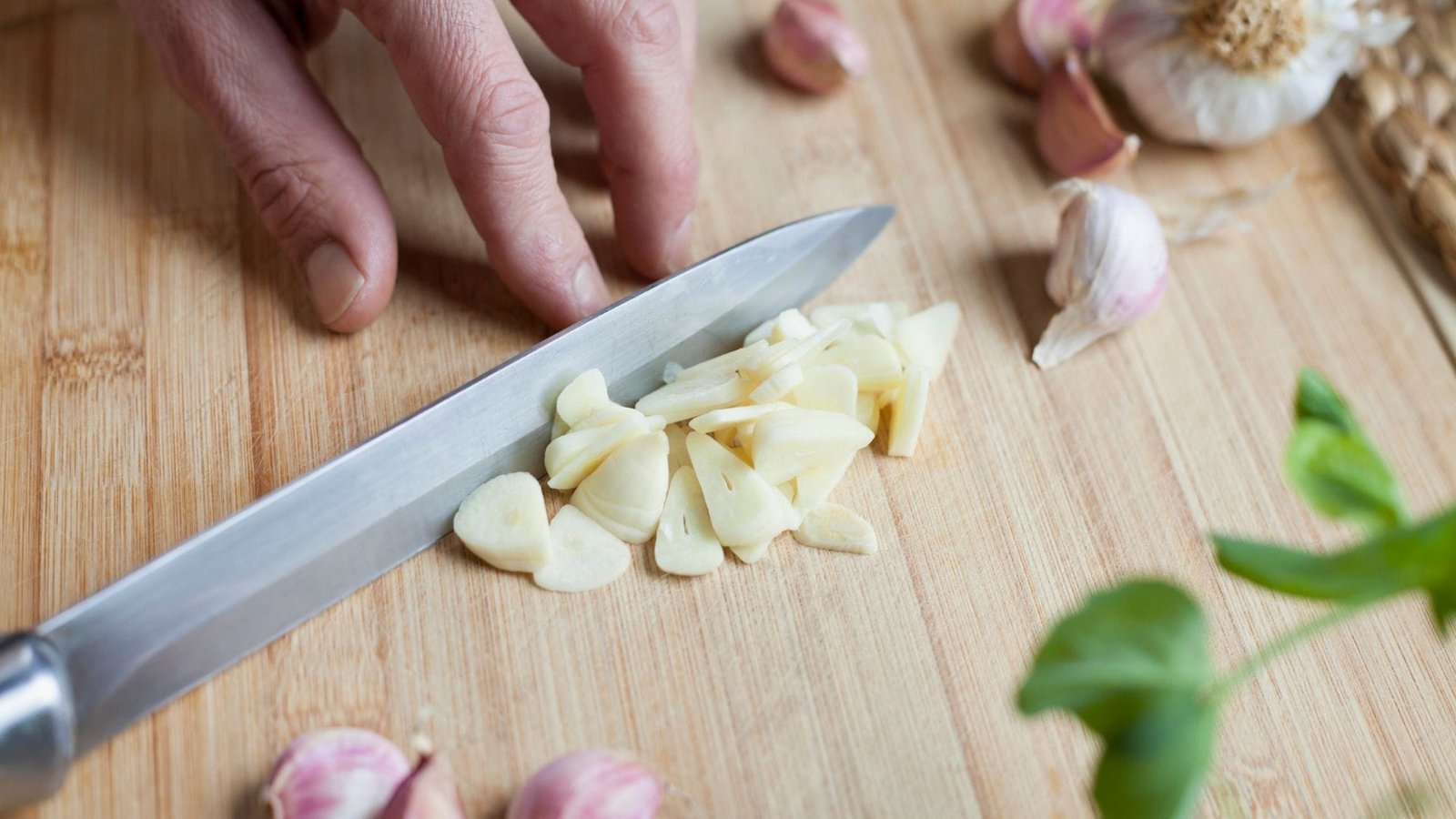
The cloves can be peeled, finely chopped, crushed, grated or incorporated into food without heating. Raw garlic has a much stronger flavour than cooked garlic, which is exactly why many people prefer to use only a small amount.
Garlic belongs to the Allium family, alongside onions, leeks and shallots.
When garlic is chopped or crushed, it undergoes chemical changes that produce its characteristic pungent compounds. This is one reason freshly crushed garlic smells and tastes so much stronger than an intact clove.
For generations, garlic has been valued as both a food and a traditional household ingredient.
Today, however, it’s important to separate traditional use from proven medical treatment.
Research into garlic and the common cold has been limited. A Cochrane review found insufficient clinical trial evidence to establish whether garlic prevents or treats the common cold. One small trial suggested a possible preventive effect, but the researchers concluded that more high-quality research was needed.
So, think of raw garlic as a traditional food-based addition to your routine — not a guaranteed cold cure.
Why Has Garlic Been Used Traditionally for Colds?
Garlic’s reputation as an old-fashioned cold-season remedy probably comes from a combination of its long culinary history, distinctive compounds and traditional use.
Garlic has been used in many cultures for generations, particularly in savoury foods and homemade preparations.
Its powerful flavour also makes it memorable.
Anyone who has chopped a fresh garlic clove knows how pungent it can be.
While laboratory research has investigated various properties of garlic, results from laboratory studies don’t automatically mean that eating raw garlic will produce the same effect in people.
That distinction matters.
The evidence available today does not establish raw garlic as a treatment for the common cold.
What garlic can do is add flavour, variety and useful plant-based ingredients to everyday meals.
And sometimes the simplest approach is simply to enjoy it as food.
A Simple Raw Garlic Home Preparation
If you enjoy garlic and want to incorporate it into your meals during the colder months, one of the easiest approaches is to combine a small amount of freshly crushed garlic with other familiar ingredients.
Ingredients
- 1 small fresh garlic clove
- 1 teaspoon honey, optional
- 1–2 teaspoons fresh lemon juice
- 150–200 ml warm water
How To Make It
- Peel the garlic clove.
- Crush or finely chop it.
- Allow it to sit briefly after crushing.
- Add the garlic to a cup.
- Add the lemon juice.
- Pour in warm rather than boiling water.
- Add honey if desired.
- Stir well and allow the mixture to cool to a comfortable drinking temperature.
This is a traditional-style homemade drink rather than a medically proven cold treatment.
The combination of lemon, honey and garlic creates a particularly strong flavour. If raw garlic is too intense, start with a smaller amount or simply use garlic in ordinary meals instead.
A Note About Honey
Honey can make the drink considerably more pleasant because it balances the sharpness of raw garlic.
However, honey must never be given to babies under 12 months of age because of the risk of infant botulism.
Is Raw Garlic Better Than Cooked Garlic?
Not necessarily.
Raw garlic is simply different.
Cooking changes garlic’s flavour, aroma and chemical composition. Raw garlic has a particularly strong, sharp character, while roasted or lightly cooked garlic becomes much sweeter and gentler.
If you dislike raw garlic, there is no reason to force yourself to eat it.
Garlic can be incorporated into:
- soups
- vegetable dishes
- homemade sauces
- salad dressings
- roasted vegetables
- pasta
- stir-fries
- homemade dips
- savoury breakfasts
For everyday nutrition, enjoying garlic as part of a varied diet is a much more sensible approach than treating it as a miracle remedy.
How To Make Raw Garlic More Enjoyable
Raw garlic can be surprisingly powerful.
If you’ve ever bitten directly into a fresh clove, you’ll know exactly what I mean.
Instead of eating a whole clove by itself, try using a small amount in food.
Garlic and Honey
A tiny amount of finely crushed garlic can be mixed with honey for a strong, sweet-and-pungent combination.
This is a traditional-style preparation, but it should not be presented as a proven treatment for a cold.
Garlic and Lemon
Fresh lemon juice gives raw garlic a bright acidity that can make the flavour slightly easier to tolerate.
Garlic in Salad Dressing
Combine finely minced garlic with olive oil, lemon juice and herbs to make a simple homemade dressing.
Garlic in Soup
If raw garlic is simply too strong, adding garlic to a warm homemade soup gives you a much gentler way to enjoy it.
Sometimes the best traditional remedy is simply good food.
What Does The Research Say About Garlic and Colds?
This is where a little honesty is important.
Garlic has a strong reputation for supporting health, particularly during cold and flu season. However, the scientific evidence specifically concerning the common cold remains limited.
The Cochrane review examining garlic and the common cold found only one suitable trial among the studies it assessed. That trial involved 146 participants and suggested that garlic supplementation might reduce the occurrence of colds, but it did not establish that garlic shortened the duration of an individual cold. The review concluded that there was insufficient evidence to make firm conclusions.
The National Center for Complementary and Integrative Health similarly notes that very little research has examined garlic supplements for immune-related effects during cold and flu season.
So while the old-fashioned tradition is interesting, we shouldn’t turn tradition into a medical promise.
That’s an important part of responsible natural wellness.
Raw Garlic as Part of a Healthy Lifestyle
Rather than thinking about garlic as something that needs to “fight” a cold, consider where it fits into your overall diet.
A healthy lifestyle isn’t built around one ingredient.
It comes from many ordinary habits repeated consistently:
- eating a varied diet
- enjoying plenty of vegetables and fruit
- drinking enough fluids
- getting adequate sleep
- staying physically active
- limiting highly processed foods
- making time for rest
- practising good hygiene
- seeking medical care when necessary
Garlic can happily sit within that bigger picture.
It’s inexpensive, versatile and easy to incorporate into everyday cooking.
And unlike many trendy wellness products, it’s something most people already recognise.
A Few Tips for Using Fresh Garlic
If you’re buying garlic for traditional recipes, look for firm bulbs without obvious mould, soft spots or excessive sprouting.
Store whole garlic bulbs somewhere cool, dry and well ventilated.
Once you’ve peeled or chopped garlic, handle it as you would other fresh foods and avoid leaving prepared mixtures sitting at room temperature for extended periods.
And remember: more isn’t necessarily better.
Raw garlic can cause digestive discomfort, heartburn, nausea and strong breath or body odour, with these effects potentially more noticeable when garlic is eaten raw.
A Quick Safety Note
Garlic is generally safe for most people when eaten in normal food amounts.
However, concentrated garlic products and supplements are a different matter.
Garlic supplements may increase bleeding risk and can interact with medicines. People taking anticoagulants or aspirin should discuss garlic supplements with their healthcare professional.
Garlic may also cause stomach upset, heartburn or other digestive symptoms.
Fresh raw garlic should never be applied directly to the skin as a home remedy. The NCCIH warns that raw garlic applied to the skin can cause severe irritation and chemical burns.
If you’re pregnant, breastfeeding, taking medication, preparing for surgery, or considering garlic supplements rather than normal culinary amounts, speak with an appropriate healthcare professional first.
And if cold symptoms are severe, persistent or concerning, don’t rely on a home remedy instead of getting appropriate medical advice.
Simple Ways To Enjoy Garlic During Cold Weather
You don’t need to swallow a raw clove to enjoy garlic.
Try adding it to a warming vegetable soup.
Make a simple homemade garlic and herb dressing.
Add crushed garlic to roasted vegetables.
Stir finely chopped garlic through cooked greens.
Combine garlic, lemon and olive oil for a simple salad dressing.
Or make the warm lemon, honey and garlic preparation described earlier.
These are ordinary kitchen ideas, but that’s precisely what makes them appealing.
Old-fashioned wellness doesn’t always need to be complicated.
Frequently Asked Questions
Is raw garlic a natural cold remedy?
Raw garlic has traditionally been used as a home remedy during cold and flu season. However, there is currently insufficient clinical evidence to say that garlic prevents or treats the common cold.
Can I eat raw garlic when I have a cold?
Most people can eat garlic in normal food amounts, but raw garlic can cause heartburn, stomach upset and strong breath or body odour. If it doesn’t agree with you, there’s no need to force it.
Is garlic better raw or cooked?
Raw and cooked garlic have different flavours and chemical properties. Raw garlic is considerably stronger, while cooking produces a milder flavour. Neither needs to be treated as a miracle food.
Can I mix raw garlic with honey?
Yes, garlic and honey can be combined as a traditional-style homemade preparation. However, it should not be described as a proven treatment for a cold. Never give honey to a child under 12 months.
Can raw garlic upset your stomach?
Yes. Garlic can cause abdominal discomfort, flatulence, nausea and heartburn, particularly when larger amounts are consumed. These effects may be more noticeable with raw garlic.
Can garlic interact with medication?
Yes. Garlic, particularly concentrated garlic products and supplements, can interact with some medicines and may increase bleeding risk. Anyone taking anticoagulants or other medicines should check with their healthcare professional before using garlic supplements.
Should I use raw garlic instead of cold medicine?
No. Raw garlic should be regarded as a food and traditional home-wellness ingredient, not a replacement for appropriate medical treatment. The evidence for garlic specifically preventing or treating the common cold is insufficient.
Final Thoughts
There is a reason garlic has remained a kitchen staple for generations.
It’s affordable, versatile and remarkably full of character. That pungent little clove has found its way into countless traditional recipes and household preparations.
The old-fashioned reputation of raw garlic as a cold remedy is certainly interesting, but modern research doesn’t yet give us enough evidence to call it a proven treatment.
Perhaps the better way to think about it is much simpler.
Enjoy garlic as part of good food. Combine it with wholesome ingredients. Make comforting recipes when the weather is cold. And appreciate the traditional wisdom without making promises that science hasn’t established.
Sometimes that’s what Mums Old Ways is really about — taking the good ideas from yesterday and bringing them into everyday life with a little modern common sense.