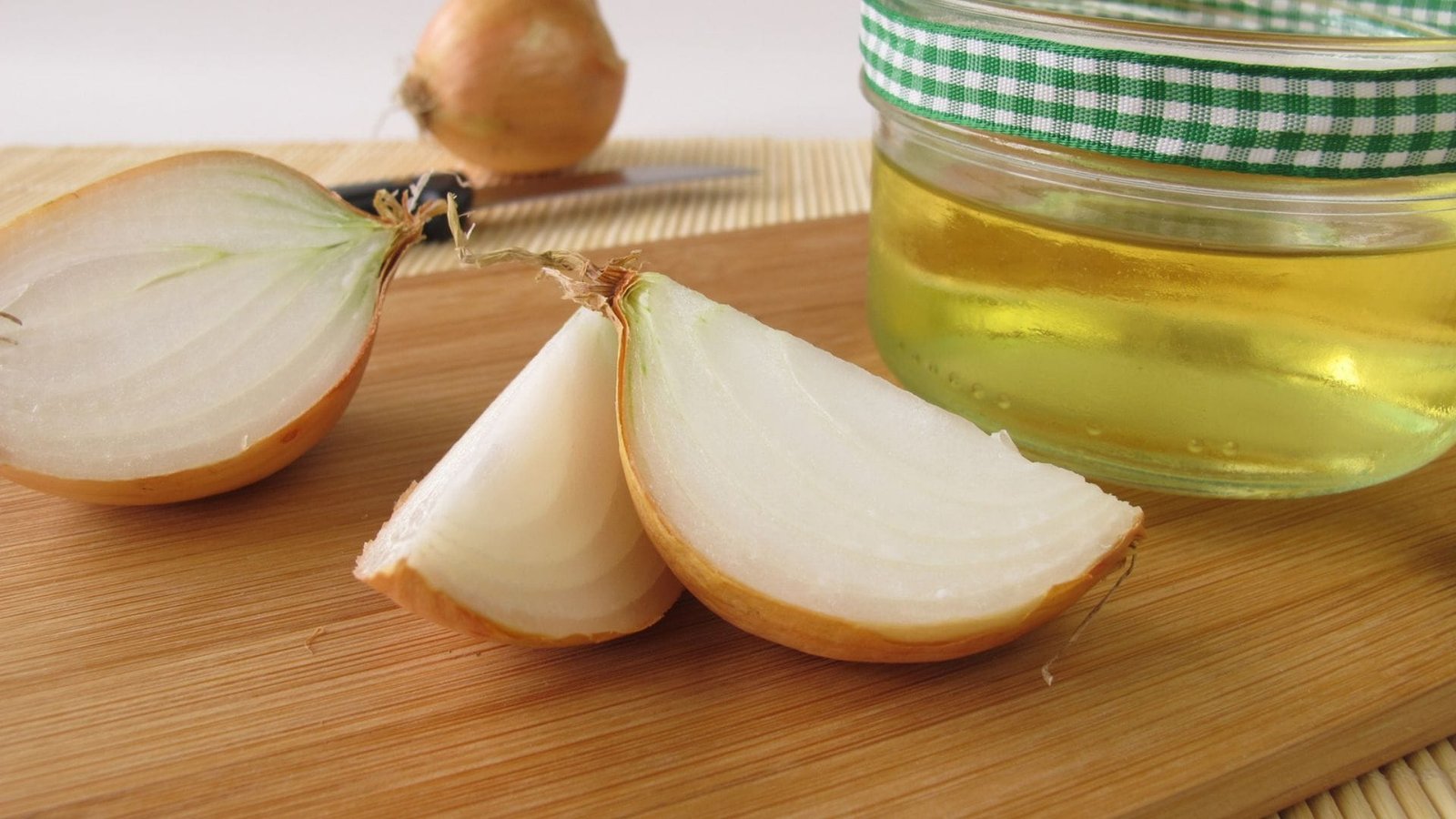
Homemade Onion Syrup
Mum’s Traditional Cough Remedy
There are some home remedies that never seem to disappear. They are passed from one generation to the next, written in old recipe books, and remembered because they are wonderfully simple.
Homemade onion syrup is one of those traditional preparations.
Made with ordinary kitchen ingredients, onion syrup has long been used in various traditional approaches to cough and cold care. Modern research into onion’s traditional uses confirms that the vegetable has a long history of use in folk medicine, including respiratory complaints. However, there is still limited high-quality clinical evidence showing that onion syrup itself treats a cough.
That does not make the recipe uninteresting. Quite the opposite.
It is an inexpensive, easy homemade preparation that can be enjoyed as part of a comforting routine when you have a minor cough or cold. And if Mum had a jar of something similar sitting in the kitchen, there was probably a good reason she kept the recipe around.
Let’s look at how to make it, why people have traditionally used it, and what you should know before trying it.
What Is Homemade Onion Syrup?
Homemade onion syrup is a simple preparation made by combining sliced onion with a sweet ingredient such as honey or sugar.
As the onion sits with the sweetener, liquid is gradually drawn from the onion, creating a thin, sweet-and-savoury syrup.
The result is certainly different from a commercial cough syrup. It tastes strongly of onion, but the sweetness makes it considerably easier to take.
Onion itself has a long history of traditional medicinal use across different cultures, including traditional uses involving respiratory complaints. Reviews of the literature describe numerous historical uses of onion while also pointing out that more research is needed to establish how effective these traditional preparations are.
So this is best thought of as a traditional homemade wellness preparation, rather than a proven treatment for an underlying illness.
Why Did Mum Use Onion for a Cough?
Before modern pharmacies became part of everyday life, household ingredients were often used to make simple preparations for common complaints.
Onions were inexpensive, readily available and stored well, making them a natural ingredient for traditional kitchen remedies.
The traditional appeal of onion syrup is also wonderfully practical. There is no complicated equipment, unusual herb or expensive ingredient involved.
Just an onion, a sweetener and a little patience.
A recent study examining non-pharmaceutical home remedies for upper respiratory infections found that onion syrup was among the remedies people reported using, with 77% of onion-syrup users in the study describing it as effective or very effective. Importantly, this was a survey of people’s experiences rather than a controlled clinical trial, so it cannot establish that onion syrup itself causes improvement.
That distinction matters.
Traditional use can be interesting and worthwhile without automatically proving a medical claim.

Homemade Onion Syrup Recipe
This is a simple traditional-style preparation using ingredients that are easy to find.
Ingredients
- 1 medium brown or white onion
- 3–4 tablespoons honey or granulated sugar
- 1 teaspoon fresh lemon juice, optional
Honey provides sweetness and creates a pleasant syrupy consistency. Lemon is optional and adds a little brightness to the flavour.
How To Make Homemade Onion Syrup
1. Peel the onion.
Remove the outer skin and discard it.
2. Slice the onion thinly.
Thin slices expose more of the onion’s surface and make it easier for the liquid to be drawn out.
3. Place a layer of onion in a clean glass jar or bowl.
Add some of the sliced onion and cover it with a little honey or sugar.
4. Continue layering.
Alternate onion and sweetener until everything has been used.
5. Cover and allow it to stand.
Leave the mixture at room temperature for several hours. The onion will gradually release liquid and combine with the sweetener.
6. Strain if desired.
Once enough syrup has formed, strain out the onion pieces using a clean fine-mesh strainer.
7. Refrigerate.
Transfer the syrup to a clean, covered container and refrigerate.
For a homemade preparation like this, make small batches rather than storing it for long periods.
Honey or Sugar: Which Should You Use?
Both are traditional options, but they produce slightly different results.
Honey
Honey gives the syrup a smoother, richer sweetness and pairs surprisingly well with onion.
It is also the ingredient with stronger evidence for helping to soothe cough symptoms. Health guidance notes that honey can help ease a cough in children over 12 months, while healthdirect also lists honey as a self-care option that may soothe throat irritation.
However, never give honey to a baby under 12 months of age because of the risk of infant botulism.
Sugar
Sugar is the old-fashioned alternative if you do not want to use honey.
It creates a sweet onion syrup without relying on honey. The finished preparation will have a slightly different taste and texture.
If making this for a household with young children, remember that the age restriction around honey still applies if honey is used as the sweetener.
What Does Onion Syrup Taste Like?
Let’s be honest.
It tastes like onion.
The sweetness softens the sharpness, but this is not going to taste like strawberry cordial.
The flavour can vary depending on the onion used and how long it sits. Brown onions tend to have a stronger flavour, while sweeter onions can produce a gentler syrup.
A little lemon juice can also brighten the flavour.
For someone accustomed to strongly flavoured herbal preparations, it may be perfectly manageable. For others, the smell alone may be enough to make them reconsider Grandma’s recipe!
How People Traditionally Enjoy Onion Syrup
Traditional home preparations like this are generally enjoyed in small amounts rather than treated like a conventional medicine.
You can take a little of the syrup on its own or add a small amount to warm water.
The warm drink itself may be comforting when your throat feels irritated.
Staying well hydrated and getting adequate rest are also sensible self-care measures when dealing with a short-term cough or cold. Most short-term coughs improve without specific treatment.
The important point is not to think of onion syrup as something that needs to be taken according to a medical dosage.
It is a food-based traditional preparation, not a prescription treatment.
Can You Add Ginger or Lemon?
Absolutely, if you enjoy the flavour.
Ginger
A few thin slices of fresh ginger can give the preparation a warm, spicy character.
Ginger has its own long history in traditional food and wellness preparations, and it works particularly well with onion, lemon and honey from a culinary perspective.
Lemon
A little fresh lemon juice gives the syrup a sharper, fresher flavour.
It can also make the sweet onion mixture more pleasant to drink when diluted with warm water.
Honey and Ginger
For adults and children over 12 months, honey and ginger make a particularly appealing combination.
Just remember that adding more ingredients does not automatically make the preparation medically more effective.
Keep the recipe simple.
Simple Variations
Once you have the basic onion syrup recipe, there are several easy variations.
Onion and Honey Syrup
Use sliced onion and honey for a rich, sweet preparation.
Onion, Honey and Lemon
Add a small amount of fresh lemon juice for a brighter flavour.
Onion and Sugar Syrup
Use ordinary sugar instead of honey.
Onion and Ginger Syrup
Add a few slices of fresh ginger for extra warmth and flavour.
These are variations on a traditional kitchen preparation rather than different medical treatments.
How To Store Homemade Onion Syrup
Because this is a homemade preparation containing fresh onion, it should be treated as a perishable food.
Use a clean container, keep it covered and refrigerate it once prepared.
Rather than making a large quantity, prepare a small batch that can be used promptly.
If the syrup develops an unusual smell, mould, bubbling, fermentation or other obvious signs of spoilage, discard it.
When in doubt, throw it out.
A Quick Safety Note
Homemade does not automatically mean suitable for everyone.
Do not give honey-containing onion syrup to children under 12 months. Honey can pose a risk of infant botulism.
If you are pregnant or breastfeeding, have a medical condition, take regular medication or are unsure whether a particular ingredient is appropriate for you, speak with your doctor or pharmacist.
People with allergies to onion or any other ingredient should avoid the preparation.
It is also important to remember that a cough can have many causes. A short-term cough associated with a cold often settles by itself, but a persistent cough can require medical assessment. Healthdirect advises seeking medical attention when a cough does not improve or when there are concerning symptoms.
Seek medical advice promptly if you have significant breathing difficulty, chest pain, cough up blood, become seriously unwell, or have other worrying symptoms.
Does Homemade Onion Syrup Actually Work?
This is where it is worth separating Mum’s wisdom from modern scientific evidence.
Onion has a long history of traditional use, including respiratory applications, and onion syrup is still used by some people as a home remedy.
However, there is not strong clinical evidence demonstrating that homemade onion syrup treats the underlying cause of a cough.
The research mentioned earlier found that many people who use onion syrup perceive it as helpful, but that type of study measures people’s experiences rather than proving effectiveness through a controlled clinical trial.
That makes a more sensible description possible:
Homemade onion syrup is a traditional, comforting preparation that some people enjoy when they have a cough, rather than a proven cure for coughs or respiratory infections.
That is perhaps less dramatic than some old-fashioned remedy books might suggest, but it is a much more trustworthy way to approach natural wellness.
Can You Give Onion Syrup to Children?
Extra care is needed with children.
For children older than 12 months, honey may help soothe a cough, and Australian health guidance specifically notes that honey can help ease children’s coughs.
However, children under 12 months should not be given honey.
Do not assume that because a recipe is homemade it is automatically appropriate for a child. Young children can also respond differently to ingredients and preparations than adults.
If a child has a significant cough, breathing difficulty, wheezing, fever or symptoms that are getting worse, seek medical advice.
The Old-Fashioned Appeal of Simple Remedies
Perhaps the most appealing thing about homemade onion syrup is its simplicity.
There is something comforting about opening the kitchen cupboard and finding everything needed to make a traditional preparation.
An onion.
A little sweetness.
Perhaps some lemon or ginger.
Nothing complicated.
And while modern medicine has given us far better tools for diagnosing and treating illness, there is still room for sensible household traditions that make us feel cared for when we are under the weather.
The trick is knowing where traditional comfort ends and medical treatment begins.
Onion syrup can be part of a comforting home routine. It should not be presented as a substitute for professional care when that care is needed.
Frequently Asked Questions
What is homemade onion syrup used for?
Homemade onion syrup is a traditional preparation commonly used for cough and cold comfort. Onion has a long history of traditional use for respiratory complaints, although strong clinical evidence specifically supporting homemade onion syrup is limited.
How do you make homemade onion syrup?
Slice one medium onion and layer it with honey or sugar in a clean jar or bowl. Leave it for several hours while the onion releases liquid, then strain the mixture if desired and refrigerate it.
Can I use honey instead of sugar?
Yes. Honey produces a sweeter, smoother syrup and may also help soothe a cough. However, honey must never be given to children younger than 12 months.
Can I add ginger and lemon?
Yes. Fresh ginger and lemon can be added for flavour and create a pleasant variation on the basic onion syrup recipe.
How long does homemade onion syrup last?
Because it contains fresh onion and is prepared at home without commercial preservation, make small quantities, refrigerate them and use them promptly. Discard the syrup if it shows any signs of spoilage.
Can children have homemade onion syrup?
Children require extra care. Honey-containing versions should never be given to children under 12 months. For older children, speak with a doctor or pharmacist if you are unsure whether the preparation is appropriate, particularly if the child is unwell.
When should I see a doctor about a cough?
A cough that persists, becomes worse or is accompanied by concerning symptoms should be medically assessed. Seek urgent care for serious breathing difficulty, chest pain, coughing blood or severe illness.
Final Thoughts
Homemade onion syrup is one of those wonderfully simple traditional preparations that reminds us how resourceful previous generations were.
It uses an everyday ingredient, requires very little preparation and has a long history as a household cough remedy.
But traditional does not have to mean exaggerated.
There is currently limited evidence that onion syrup itself treats a cough, so it is best enjoyed as a comforting homemade preparation rather than a cure. Honey, when appropriate for the person’s age, may provide additional soothing benefits.
Sometimes the old ways are not about having a magical answer.
They are about making something simple, warm and familiar when someone isn’t feeling their best.
And perhaps that is part of what makes recipes like this worth passing down.