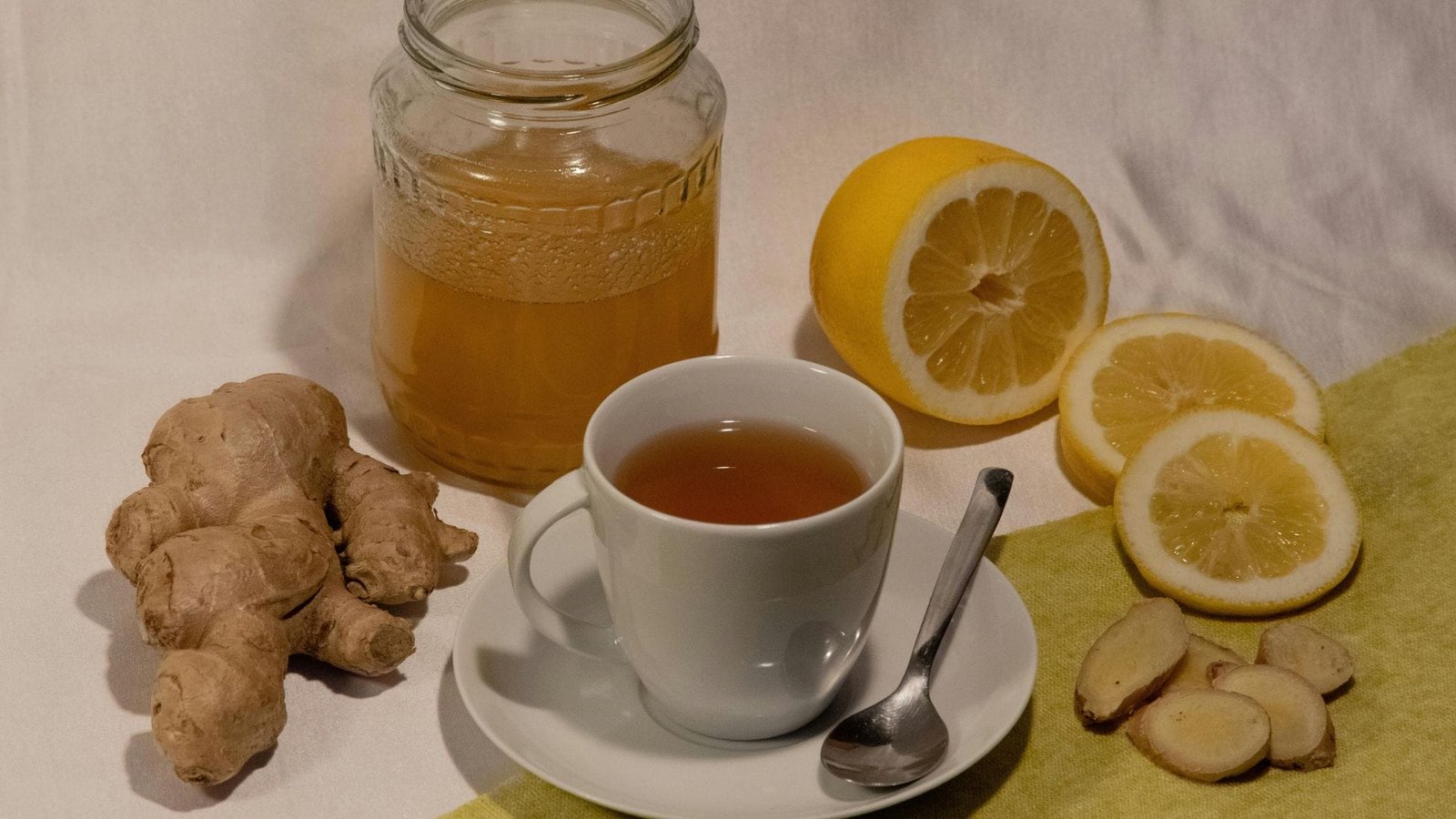
Ginger Tea For Chest Congestion
When your chest feels heavy, your throat is irritated and you’re dealing with a cough, a warm cup of ginger tea can be wonderfully comforting. It is simple, inexpensive and made from ingredients that have been familiar in home kitchens for generations.
This ginger tea for chest congestion combines fresh ginger with warm water and optional lemon and honey. While it should not be considered a treatment for a chest infection or a substitute for medical care, the warmth and flavour can make it a pleasant drink when you’re feeling under the weather.
Ginger has a long history of traditional use, including in folk preparations for respiratory and digestive complaints. Modern research, however, has not established ginger tea as a treatment for chest congestion itself.
So think of this recipe as what Mums Old Ways is all about: simple, comforting natural wellness using ingredients you recognise.

What Is Ginger Tea for Chest Congestion?
Ginger tea is a simple infusion made by steeping fresh ginger in hot water.
For a comforting version, you can add a little fresh lemon and honey once the tea has cooled slightly.
The result is a warming drink with a naturally spicy flavour. The heat from the ginger gives the tea a pleasant warming sensation, while lemon adds brightness and honey provides gentle sweetness.
A chesty cough can involve mucus or phlegm from the lower airways and may occur with respiratory infections such as colds, bronchitis or other conditions. A productive cough isn’t necessarily a sign of something serious, but persistent symptoms or concerning changes should be assessed by a healthcare professional.
Ginger tea is a warm homemade drink made by steeping fresh ginger in hot water, often with lemon and honey. It can be a comforting addition to your routine when you have a cough or feel congested, but it should not be considered a treatment for chest infections or breathing problems.
Why People Like This Natural Approach
There is something reassuring about making a drink from scratch.
No complicated ingredients. No long list of additives. Just a small piece of fresh ginger, hot water and a few familiar kitchen staples.
Ginger has been used in traditional medicine for centuries and is still widely used as a food and flavouring ingredient today. The National Center for Complementary and Integrative Health notes that ginger has traditionally been used for conditions including flu, asthma, indigestion and gastrointestinal discomfort, although evidence for different uses varies.
The warmth of the tea is also part of its appeal.
When you’re feeling miserable with a cough, sipping something warm can simply feel good.
And sometimes that’s enough reason to make a cup.

Simple Ginger Tea Recipe
Ingredients
For one generous mug:
- 250 ml water
- 2–4 cm fresh ginger root
- 1–2 teaspoons honey, optional
- 1–2 teaspoons fresh lemon juice, optional
- A small slice of lemon, optional
Fresh ginger gives the strongest flavour, but you can adjust the quantity depending on how spicy you like your tea.
How To Make It
1. Prepare the ginger.
Wash the ginger thoroughly. You can peel it if you prefer, although peeling isn’t essential when the root has been washed well.
Slice it thinly or grate it.
2. Heat the water.
Bring approximately 250 ml of water to the boil.
3. Add the ginger.
Place the sliced or grated ginger into a mug or small saucepan.
Pour over the hot water.
4. Let it steep.
Allow the ginger to infuse for around 5–10 minutes.
The longer it sits, the stronger and spicier the flavour will become.
5. Add lemon and honey.
Strain the tea if necessary.
Allow it to cool slightly before adding honey and lemon.
6. Sip slowly.
Enjoy it warm rather than rushing through the mug.
That’s the whole recipe.
Simple enough for a cold morning. Simple enough for an evening when you don’t feel like doing much at all.
What Does Ginger Contribute?
Ginger’s distinctive flavour comes from naturally occurring compounds that give the root its characteristic warmth and pungency.
It is primarily a culinary ingredient, but ginger has also been extensively studied for various health purposes. According to NCCIH, research has looked particularly at ginger for nausea and vomiting, while evidence for other uses varies. Ginger can also cause side effects such as heartburn, abdominal discomfort, diarrhoea or mouth and throat irritation in some people.
For this recipe, there’s no need to turn ginger into a miracle ingredient.
It’s enough to appreciate it for what it is: a wonderfully warming kitchen ingredient with a long traditional history.
Adding Honey and Lemon
Honey is a particularly popular addition to homemade cough drinks.
There is some evidence that honey can help relieve acute cough symptoms in children over 12 months of age, although the evidence does not mean honey treats the underlying cause of a cough.
Lemon, meanwhile, contributes fresh citrus flavour and a little acidity.
Together, ginger, honey and lemon make a much more enjoyable drink than ginger alone.
A Simple Evening Version
For a relaxing evening cup, try:
- 250 ml hot water
- 2 cm sliced fresh ginger
- 1 teaspoon honey
- 1 teaspoon lemon juice
Keep the ginger relatively mild if you’re drinking it close to bedtime.
How Often Can You Enjoy Ginger Tea?
For most people, ginger tea can simply be enjoyed as a normal food or beverage.
There is no need to treat it like medicine or take large quantities.
One or two cups may be plenty, particularly if you’re not accustomed to the strong flavour of fresh ginger.
If ginger causes heartburn, stomach discomfort or irritation, reduce the amount or stop drinking it. Ginger can cause these side effects in some people.
If you’re taking medication, particularly if you regularly use herbal products or supplements, speak with your healthcare professional before using ginger preparations regularly because herbs can interact with medicines.
Simple Variations
Once you’ve made the basic recipe, there are several easy ways to change it.
Ginger, Honey and Lemon
The classic combination.
Use fresh ginger, warm water, lemon juice and honey for a sweet, spicy and citrusy drink.
Ginger and Cinnamon
Add a small piece of cinnamon stick while the ginger steeps.
This gives the tea a lovely warming flavour, particularly during cooler weather.
Mild Ginger Tea
If strong ginger is too spicy, use just 1–2 thin slices and steep for five minutes.
You can always add more ginger next time.
Ginger and Chamomile
For an evening variation, prepare a mild ginger infusion and combine it with chamomile tea.
This makes a gentle caffeine-free drink with a softer flavour.
When Chest Congestion Needs More Than a Home Drink
This is an important part of responsible natural wellness.
A homemade drink can be comforting, but chest congestion should not automatically be assumed to be a simple cold.
A productive cough can sometimes occur with more serious conditions, including pneumonia or heart problems. Healthdirect advises seeing a doctor for symptoms such as chest pain, shortness of breath, coughing up blood, green phlegm or a persistent cough.
Seek urgent medical attention if you have severe difficulty breathing, significant chest pain, blue or grey lips, or are coughing up a lot of blood. In Australia, call 000 for emergency assistance.
If you’re unsure what to do, Healthdirect provides 24-hour health advice on 1800 022 222.
A cup of ginger tea can be part of a comforting routine.
It shouldn’t delay appropriate medical care.
A Quick Safety Note
There are a few simple precautions worth remembering.
Honey should never be given to babies under 12 months of age because of the risk of infant botulism.
If you’re pregnant, breastfeeding, taking regular medication, have a medical condition or are unsure whether ginger is suitable for you, check with your doctor or pharmacist.
People who experience heartburn or stomach irritation from ginger should reduce the amount or avoid it.
And if a child has a cough or chest symptoms, don’t rely on homemade drinks alone. Children can develop respiratory illnesses that require medical assessment.
Frequently Asked Questions
Is ginger tea good for chest congestion?
Ginger tea can be a warm, comforting drink when you have a cough or feel congested. However, there isn’t enough evidence to say that ginger tea itself treats or clears chest congestion.
Can I add honey to ginger tea?
Yes. Honey makes ginger tea sweeter and is traditionally used in soothing drinks. Research suggests honey may provide some relief from acute cough symptoms in children over 12 months, although it isn’t a treatment for the underlying illness.
How much fresh ginger should I use?
For one 250 ml mug, start with approximately 2–4 cm of fresh ginger. Use less if you prefer a milder flavour.
Can I drink ginger tea before bed?
You can enjoy ginger tea in the evening if it suits you. If ginger causes heartburn or stomach irritation, however, it may be better to reduce the amount or avoid drinking it close to bedtime.
Can children drink ginger tea?
Older children may be able to enjoy a mild ginger drink, but ingredients and quantities should be age appropriate. Never give honey to a child under 12 months.
How long does homemade ginger tea last?
For the best flavour, drink freshly prepared ginger tea while warm. If you make extra, cool it promptly, refrigerate it in a clean covered container and use it within a short period rather than leaving it sitting at room temperature.
When should I see a doctor about chest congestion?
Seek medical advice if you have chest pain, shortness of breath, blood in your phlegm, green phlegm, a persistent cough, worsening symptoms or unexplained fever. Severe breathing difficulty or persistent serious chest pain requires urgent medical attention.
Final Thoughts
There is something wonderfully uncomplicated about a homemade cup of ginger tea.
Fresh ginger. Hot water. Perhaps a little honey and lemon.
That’s it.
While ginger tea should never be presented as a cure for chest congestion or a substitute for medical treatment, it can be a pleasant addition to a simple self-care routine when you’re feeling under the weather.
And perhaps that’s the real beauty of old-fashioned home preparations.
They don’t need to promise miracles.
Sometimes a warm mug, familiar ingredients and a quiet few minutes are exactly what you feel like.
For more simple recipes and traditional ideas using ingredients you recognise, explore the growing collection here at Mums Old Ways.