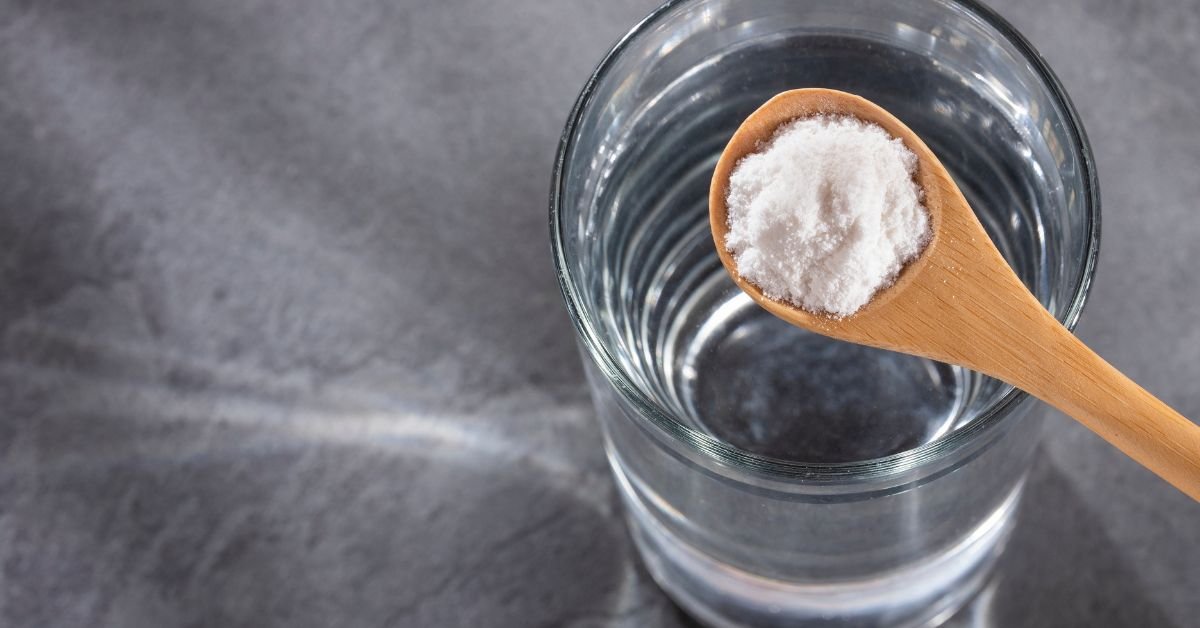
Baking Soda Water
The Old-Fashioned Reflux Remedy
What Is Baking Soda Water?
Baking soda water is a simple mixture of sodium bicarbonate (bicarbonate of soda) and drinking water.
It has traditionally been used as a household preparation for occasional indigestion, sour stomach and heartburn.
Unlike baking powder, which contains additional ingredients used in baking, baking soda is primarily sodium bicarbonate. It is an alkaline substance that can react with stomach acid.
When sodium bicarbonate meets stomach acid, it helps neutralise some of that acid. This is why it has historically been used as an antacid.
However, there is an important distinction between a traditional household remedy and a safe treatment for ongoing digestive problems.
Baking soda water may provide temporary relief for some people, but it does not correct the underlying causes of acid reflux.
How Does Baking Soda Water Work?
To understand why people have traditionally reached for baking soda, it helps to understand what happens during acid reflux.
Your stomach naturally produces acid to help digest food. A muscular valve at the bottom of your oesophagus normally helps keep stomach contents where they belong.
Sometimes that valve relaxes or does not close properly. Stomach contents can then move upwards into the oesophagus.
This can produce the familiar burning sensation in the chest known as heartburn.
Baking soda is alkaline. When it comes into contact with stomach acid, a chemical reaction occurs that neutralises some of the acid and produces water and carbon dioxide.
This explains why sodium bicarbonate can work as an antacid.
The potential benefit is temporary acid neutralisation. It does not prevent stomach contents from travelling back into the oesophagus, nor does it repair irritation caused by repeated reflux.

Why People Still Use This Old-Fashioned Remedy
There is a reason baking soda has remained familiar in household conversations about indigestion.
It is inexpensive, easy to find and has a long history of use in cooking and household preparations.
Many people remember it as one of those simple remedies that was kept in the kitchen cupboard alongside other everyday essentials.
Its appeal comes from its straightforward chemistry. Sodium bicarbonate can neutralise stomach acid, which is the same basic principle behind certain antacid products.
But traditional use does not automatically mean something is appropriate for everyone.
Baking soda contains sodium, and consuming too much can cause health problems. It can also interact with medicines and may be unsuitable for people with certain medical conditions.
That is why commercially prepared antacids, used according to their labels and with advice from a pharmacist when necessary, are generally a more sensible option than experimenting with homemade doses.
Baking Soda Water Recipe: What You Should Know
You will sometimes see recipes online recommending a particular amount of baking soda mixed into a glass of water.
Although this is a traditional preparation, Mums Old Ways does not recommend providing a homemade drinking dose as a general reflux remedy.
The amount that might be appropriate for one person may be unsuitable for another.
Factors such as age, kidney function, blood pressure, heart health, pregnancy, sodium intake and medication use can all affect whether sodium bicarbonate is appropriate.
If you are considering using it as an antacid, speak with your pharmacist or doctor about a suitable product and dose.
A few important distinctions:
- Use the term bicarbonate of soda or sodium bicarbonate when checking product labels.
- Do not confuse baking soda with baking powder.
- Do not assume that food-grade baking soda is automatically safe to consume in medicinal quantities.
- Never take larger amounts because the first attempt did not provide relief.
- Do not use it regularly as a substitute for investigating persistent heartburn.
The simplest approach is to seek advice before using baking soda as a medicinal preparation.
Gentler Everyday Habits That May Help With Reflux
Sometimes the most useful changes are not found in the kitchen cupboard but in everyday eating habits.
If you experience occasional heartburn, a few practical adjustments may help reduce the likelihood of symptoms.
1. Eat Smaller Meals
Large meals can increase pressure in the stomach and make reflux more likely.
Try eating smaller portions and taking your time rather than eating a large meal quickly.
You may find that spreading food across several smaller meals works better for your digestion.
2. Avoid Lying Down Straight After Eating
This is one of the simplest habits worth adopting.
Try to leave around three hours between your evening meal and lying down for bed.
Gravity helps keep stomach contents down, so lying flat immediately after eating can make reflux worse.
3. Identify Your Personal Food Triggers
Certain foods and drinks can trigger heartburn in some people.
Common examples include:
- Coffee
- Chocolate
- Alcohol
- Tomato-based sauces
- Citrus fruits
- Spicy meals
- High-fat foods
- Peppermint
You do not necessarily need to eliminate all these foods.
Instead, notice which ones appear to cause problems for you. Keeping a simple food and symptom diary can help identify patterns.
4. Be Careful With Late-Night Eating
A heavy meal shortly before bedtime can be uncomfortable, particularly if you are prone to reflux.
Allowing enough time for digestion before going to bed may help reduce nighttime symptoms.
If reflux regularly wakes you, speak with your healthcare professional about additional measures.

5. Consider Your Sleeping Position
For people who experience nighttime reflux, raising the head of the bed can sometimes help.
A properly designed bed wedge or raising the bedhead may be more effective than simply stacking extra pillows.
The aim is to elevate the upper body rather than just bending the neck.
Natural Ingredients and Reflux: Are They Helpful?
At Mums Old Ways, we enjoy exploring traditional ingredients and simple homemade recipes.
However, not every popular wellness ingredient is appropriate for every digestive complaint.
Here are a few familiar ingredients worth understanding.
Ginger
Ginger is traditionally used in warming drinks and everyday cooking.
Some people enjoy ginger tea as part of their normal routine. However, ginger is not an established treatment for acid reflux, and it may cause heartburn or digestive discomfort in some individuals.
Chamomile
Chamomile tea is a popular caffeine-free herbal drink, often enjoyed as part of a relaxing evening routine.
It is not a proven reflux treatment, and people with allergies to related plants should be cautious.
Oats
Oats are a familiar, fibre-containing food that can form part of a balanced diet.
A simple bowl of porridge may suit someone looking for a gentle breakfast, although individual food tolerance varies.
Bananas
Bananas are convenient, provide dietary fibre and are easy to include in everyday meals.
Some people with reflux find them comfortable to eat, while others may notice different food sensitivities.
The important thing is to choose foods that suit your own digestion rather than relying on a particular ingredient to fix reflux.
A Quick Safety Note
Baking soda is not a harmless drink simply because it is commonly found in the pantry.
Sodium bicarbonate adds a considerable amount of sodium to the diet. Excessive consumption can cause serious disturbances in the body’s acid-base balance and electrolyte levels.
Speak with your doctor or pharmacist before using it as an antacid, particularly if you:
- Have high blood pressure.
- Have kidney or heart problems.
- Need to follow a low-sodium diet.
- Take prescription or regular over-the-counter medicines.
- Are pregnant or breastfeeding.
- Are considering giving it to a child.
Antacids can also affect how other medicines are absorbed, so ask your pharmacist about appropriate timing.
If heartburn happens regularly, particularly twice a week or more, arrange a medical assessment rather than repeatedly reaching for a home remedy.
Seek medical advice for difficulty swallowing, unexplained weight loss, persistent vomiting or worsening symptoms.
Important: Chest pain should never automatically be assumed to be heartburn. If chest pain is severe, worsening or lasts 10 minutes, call Triple Zero (000) for an ambulance.
When Should You Speak With a Doctor About Reflux?
Occasional heartburn is common, but frequent reflux deserves attention.
If you regularly experience a burning sensation after meals, sour fluid coming into your throat or discomfort when lying down, it may be worth discussing gastro-oesophageal reflux disease (GORD) with your doctor.
There are effective treatments available, including appropriately selected antacids and acid-reducing medicines.
A pharmacist can also help you choose an appropriate over-the-counter option.
Do not stop prescribed reflux medication or replace it with baking soda water without professional advice.
The goal should be to manage the symptoms safely and understand why they are happening.
Frequently Asked Questions
1. Does baking soda water help acid reflux?
Sodium bicarbonate can neutralise some stomach acid, which explains its traditional use as an antacid. However, any relief may be temporary, and it does not prevent reflux itself. It is not suitable for everyone.
2. How quickly does baking soda water work?
Sodium bicarbonate can react with stomach acid relatively quickly. However, the response varies, and it should not be assumed to provide reliable or lasting relief. Ask a pharmacist about safer, appropriately formulated antacid options.
3. Can I drink baking soda water every day?
Regular consumption is not recommended as a home wellness habit. Too much sodium bicarbonate can cause high sodium intake and potentially serious electrolyte and acid-base disturbances.
4. Is baking soda the same as bicarbonate of soda?
Yes. Baking soda and bicarbonate of soda are common names for sodium bicarbonate. Baking powder is different because it contains additional ingredients.
5. Is baking soda water safe during pregnancy?
Do not use homemade baking soda water for heartburn during pregnancy without medical advice. A doctor or pharmacist can recommend an appropriate option.
6. What is a gentler alternative to baking soda water?
A pharmacist-recommended antacid or alginate preparation may be more appropriate for occasional heartburn. Eating smaller meals, avoiding personal food triggers and staying upright after meals may also help.
7. When should I worry about frequent heartburn?
If heartburn occurs twice a week or more, continues despite treatment or is accompanied by difficulty swallowing, unexplained weight loss or vomiting, seek medical assessment. Severe or worsening chest pain requires emergency attention.
Final Thoughts: Traditional Wisdom With Modern Understanding
Baking soda water is one of those old-fashioned household preparations that has stood the test of time in people’s memories.
There is a genuine reason behind its traditional use: sodium bicarbonate can neutralise stomach acid. But that does not make it a suitable everyday drink or a safe solution for everyone experiencing reflux.
Sometimes the best way to respect traditional wisdom is to understand its limitations.
Pay attention to your eating habits, notice which foods trigger discomfort and seek professional advice if heartburn becomes a regular part of life.
At Mums Old Ways, we believe in keeping the simple things that make sense while combining traditional knowledge with modern, responsible information.
If you enjoy discovering practical ways to support everyday wellbeing, explore more natural living ideas and traditional recipes here at Mums Old Ways.