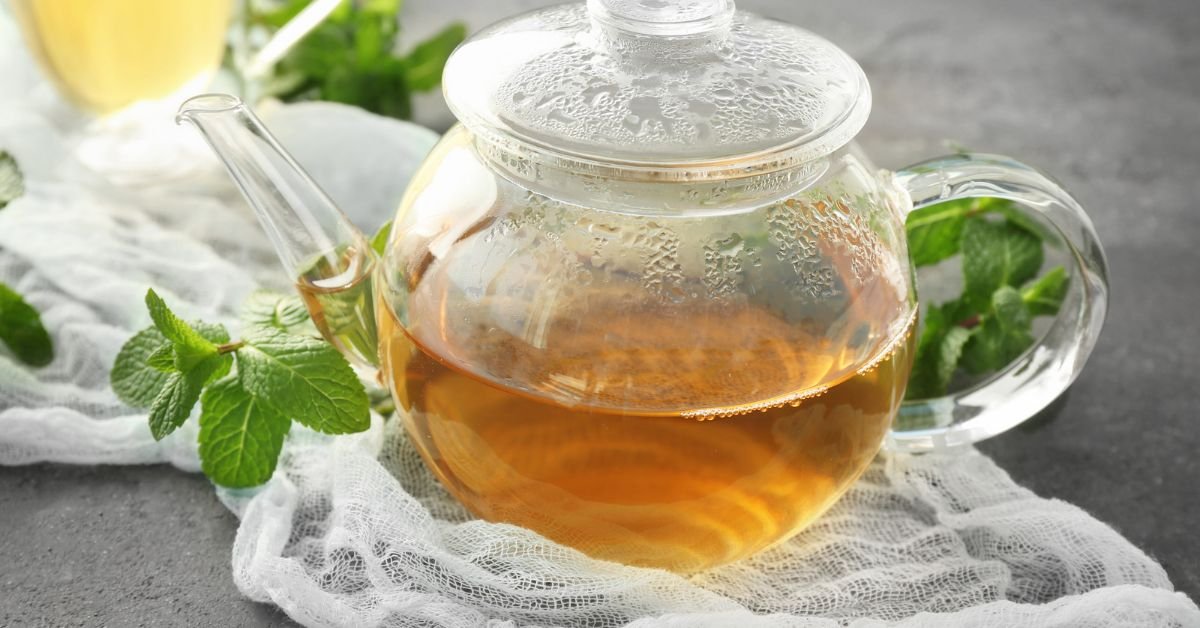
Peppermint Tea
The After-Dinner Stomach Soother
There is something comforting about finishing dinner, putting the kettle on and enjoying a warm cup of herbal tea. It is a simple habit, but sometimes the simplest things are the ones we return to most often.
Peppermint tea has long been enjoyed as a refreshing after-meal drink. Its cool, minty aroma and gentle flavour make it a lovely alternative to another cup of coffee or a sugary dessert. Traditionally, peppermint leaves have also been used in herbal preparations for digestive discomfort, including feelings of fullness and wind.
At Mums Old Ways, we believe in keeping natural wellness simple. Here is an easy homemade peppermint tea recipe, along with practical brewing tips, variations and a few important things to know before making it part of your daily routine.
What Is Peppermint Tea?
Peppermint tea is an herbal infusion made from the leaves of the peppermint plant, Mentha × piperita. Unlike traditional black tea, it does not naturally contain caffeine.
The leaves contain aromatic compounds, including menthol, which gives peppermint its familiar cooling sensation and distinctive smell. When steeped in hot water, the leaves release their flavour and aroma into the cup.
Peppermint tea can be made with fresh garden leaves, dried peppermint leaves or commercially prepared tea bags. Each option offers a slightly different taste, but all can make a pleasant after-dinner drink.
The appeal is straightforward: it is easy to prepare, requires very few ingredients and can become a comforting part of an evening routine.

Why Do People Enjoy Peppermint Tea After Dinner?
1. It is traditionally associated with digestive comfort
Peppermint leaf preparations have a long history of traditional use for digestive complaints, including indigestion and flatulence. European herbal medicine assessments recognise this traditional use, although they also acknowledge that strong clinical evidence for peppermint leaf tea itself is limited.
You can enjoy the tea as a traditional wellness drink without expecting it to cure bloating, settle every upset stomach or solve an underlying digestive condition.
2. It makes a refreshing alternative to sweet drinks
After a rich meal, you might want something with flavour without reaching for a soft drink or another sweet treat.
Peppermint tea offers a naturally aromatic, minty taste without needing added sugar. If you enjoy it plain, it is also a simple way to add another drink to your daily hydration routine.
3. It can become a pleasant evening ritual
Natural wellness is not only about individual ingredients. Everyday habits matter, too.
Taking a few minutes to prepare tea, sit down and enjoy the warmth can give you a natural pause between dinner and the rest of your evening. The tea itself is not a proven sleep treatment or a guaranteed way to improve digestion, but the ritual may be an enjoyable part of winding down.
Homemade Peppermint Tea Recipe
Fresh Peppermint Tea
Prep: 2 minutes · Steeping: 5–8 minutes · Makes: 1 cup
A simple, fragrant herbal infusion made with fresh peppermint leaves and hot water.
Ingredients
-
250 ml freshly boiled water
-
6–10 fresh peppermint leaves, washed, or 1–2 teaspoons of dried peppermint leaves
-
1 teaspoon honey, optional
-
A small slice of lemon, optional
Fresh leaves usually give the drink a bright, garden-fresh aroma. Dried leaves are convenient when you do not have a mint plant growing at home.
Honey adds sweetness, while lemon contributes a little citrus flavour. Neither is necessary for a good cup of peppermint tea.
How to Make It
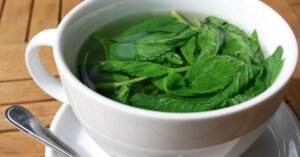
Rinse fresh peppermint leaves under clean running water. Gently bruise them between your fingers to release their aroma, without crushing them into a pulp.
Place the leaves in a mug or teapot and pour over 250 ml of freshly boiled water. Take care when handling the kettle.
Cover the cup and leave the leaves to steep for 5–8 minutes. Covering helps retain the drink’s aroma while it brews.
Remove the leaves or strain the tea into a clean cup. Add honey or lemon if desired, allow it to cool to a comfortable drinking temperature, and sip slowly.
Mums Old Ways tip: Start with a shorter steep if you prefer a delicate flavour. You can always leave the leaves in a little longer next time to make the tea more pronounced.
How to Enjoy Peppermint Tea After Dinner
There is no complicated routine to follow.
Prepare a fresh cup after your evening meal and enjoy it while sitting comfortably. Some people prefer their herbal tea immediately after eating; others enjoy it later as part of their evening wind-down.
Choose whichever timing suits your routine, and pay attention to how your body responds.
If you are hoping to improve digestive comfort, remember that your overall eating habits may matter more than any single drink. Eating at a comfortable pace, avoiding very large meals when they trigger symptoms and identifying foods that do not agree with you may be more useful than relying on tea alone.
Simple Peppermint Tea Variations
Once you have mastered the basic recipe, you can change the flavour using familiar kitchen ingredients.
1. Peppermint and lemon
Add a thin slice of fresh lemon to your prepared tea. The citrus brings a bright flavour that pairs nicely with mint. If citrus tends to trigger your heartburn, leave it out.
2. Peppermint and ginger
Add two or three thin slices of fresh ginger before pouring in the hot water. Allow the flavours to infuse together. Ginger adds a warming, slightly spicy note that balances peppermint’s coolness.
3. Peppermint and honey
Stir in a teaspoon of honey once the tea has cooled slightly. This creates a softer, sweeter drink, although honey adds sugar and is entirely optional.
4. Chilled peppermint tea
Brew the tea as usual, remove the leaves and cool it promptly. Refrigerate in a clean, covered container and serve over ice. It makes a refreshing drink in warmer Australian weather.
You do not need to add several ingredients to make a wellness recipe worthwhile. Often, a simple preparation is easier to enjoy regularly.
Fresh Peppermint or Dried Leaves: Which Is Better?
Both are useful options, so the best choice comes down to convenience, flavour and availability.
| Option | What to expect |
|---|---|
| Fresh peppermint | Bright, fresh aroma and a garden-style flavour |
| Dried peppermint | Convenient to store and easy to measure |
| Peppermint tea bags | Quick, consistent and convenient for work or travel |
If you grow peppermint at home, pick healthy leaves from a plant you can confidently identify. Rinse them before use and avoid leaves exposed to garden chemicals or contamination.
Dried peppermint should be stored in an airtight container away from moisture, heat and direct sunlight. Follow the manufacturer’s storage instructions for packaged tea.
Can You Prepare It Ahead of Time?
Freshly brewed peppermint tea is usually at its most aromatic when served straight away.
If you want to prepare it ahead, cool it promptly, transfer it to a clean covered container and refrigerate it at 5°C or colder. As a practical home-kitchen approach, make only what you expect to drink within the next day, and discard it if its appearance, smell or taste changes.
A Quick Safety Note
Natural ingredients are not automatically suitable for everybody. Although peppermint tea appears to be safe for most people when consumed in ordinary amounts, there are a few important exceptions.
Heartburn and acid reflux: Peppermint can worsen symptoms in some people. If you regularly experience reflux, this may not be the best after-dinner drink for you.
Gallstones or gallbladder problems: Seek advice from your healthcare professional before using peppermint preparations medicinally.
Pregnancy and breastfeeding: Ask your doctor, midwife or pharmacist for personalised advice, particularly before using concentrated herbal preparations or consuming large amounts.
Young children: Do not assume that adult herbal preparations are suitable for children. Ask a healthcare professional about age-appropriate use.
Persistent digestive symptoms: If discomfort keeps returning, worsens or interferes with everyday life, seek medical advice rather than relying on herbal tea.
Peppermint essential oil is much more concentrated than peppermint leaf tea. Never assume that adding essential oil to a drink is equivalent to brewing leaves.
The goal is to enjoy a simple recipe safely, not to use it in place of appropriate medical care.
How Peppermint Tea Fits Into a Healthy Lifestyle
At Mums Old Ways, we believe traditional recipes work best when they are part of a sensible, balanced routine.
A cup of peppermint tea can be one small part of that routine. You might enjoy it after a home-cooked meal, alongside a few quiet minutes away from screens or while reading before bed.
You can also support everyday digestive wellbeing through other practical habits:
-
Eat a varied diet with vegetables, fruit, wholegrains and other fibre-containing foods.
-
Drink enough water throughout the day.
-
Eat at a comfortable pace and notice which foods tend to trigger discomfort.
-
Take a gentle walk after dinner if that suits your abilities and routine.
-
Avoid eating close to bedtime if late meals tend to trigger reflux.
These habits are not a guarantee against digestive problems, but they can help you develop a more thoughtful approach to everyday wellbeing.
Editorial note for Mums Old Ways: These are suggested internal-link topics. Add links when the corresponding articles are published.
Frequently Asked Questions
1. Is peppermint tea good to drink after dinner?
Peppermint tea is a popular traditional after-meal drink. Some people enjoy it as part of their digestive routine, although evidence that peppermint leaf tea itself improves digestive symptoms remains limited. It can also worsen reflux in susceptible people.
2. How do you make peppermint tea for digestion?
Add 6–10 washed fresh peppermint leaves, or 1–2 teaspoons of dried leaves, to 250 ml of hot water. Cover and steep for 5–8 minutes, then strain. Enjoy it as a beverage rather than as a guaranteed treatment for digestive discomfort.
3. Can peppermint tea help with bloating?
Peppermint leaf preparations have traditionally been used for wind and digestive discomfort. However, research on peppermint oil capsules is not the same as research on peppermint tea, and the evidence for the tea itself is limited. If bloating is frequent or persistent, consult a healthcare professional.
4. Can I drink peppermint tea every day?
Many adults can enjoy ordinary servings of peppermint tea as part of their usual diet. However, the long-term safety of consuming large amounts of peppermint leaf has not been established. Reduce or stop drinking it if it triggers discomfort, and seek advice if you have an underlying health condition.
5. Is peppermint tea caffeine-free?
Yes. Pure peppermint leaf tea does not naturally contain caffeine. However, check the ingredient list of blended products because they may include black tea, green tea or other ingredients.
6. Can I add honey or lemon to peppermint tea?
Yes. Honey adds sweetness, while lemon provides a citrus flavour. Both are optional. If you experience acid reflux, consider leaving out lemon and avoiding peppermint altogether if it aggravates your symptoms.
7. Is peppermint tea suitable before bed?
Pure peppermint tea is caffeine-free, so it can be a pleasant evening drink. However, peppermint may aggravate heartburn or reflux, particularly for some people when lying down. If this happens, choose a different drink and allow sufficient time between dinner and bedtime.
Final Thoughts: A Simple Cup of Traditional Comfort
Sometimes, natural wellness begins with something as uncomplicated as a handful of fresh mint leaves and a mug of hot water.
Peppermint tea is easy to prepare, refreshing to drink and rooted in a long tradition of herbal use. While it should not be treated as a cure for digestive problems, it can be an enjoyable addition to your kitchen routine if it agrees with you.
Start with the simple recipe, experiment with the flavour variations and pay attention to how you feel. If peppermint triggers heartburn, there is no need to force it. Another herbal drink may suit you better.
That is the spirit of Mums Old Ways: familiar ingredients, practical ideas and traditional wisdom approached with a little modern knowledge.
Enjoy simple, traditional approaches to everyday wellbeing? Explore more homemade wellness recipes at Mums Old Ways, and discover how small, enjoyable habits can become part of a healthier lifestyle.